UNIQLO gets it all right
Brands that outperform their peers demonstrate a core reverence to a unique and inspirational mental framework that drives growth and success.

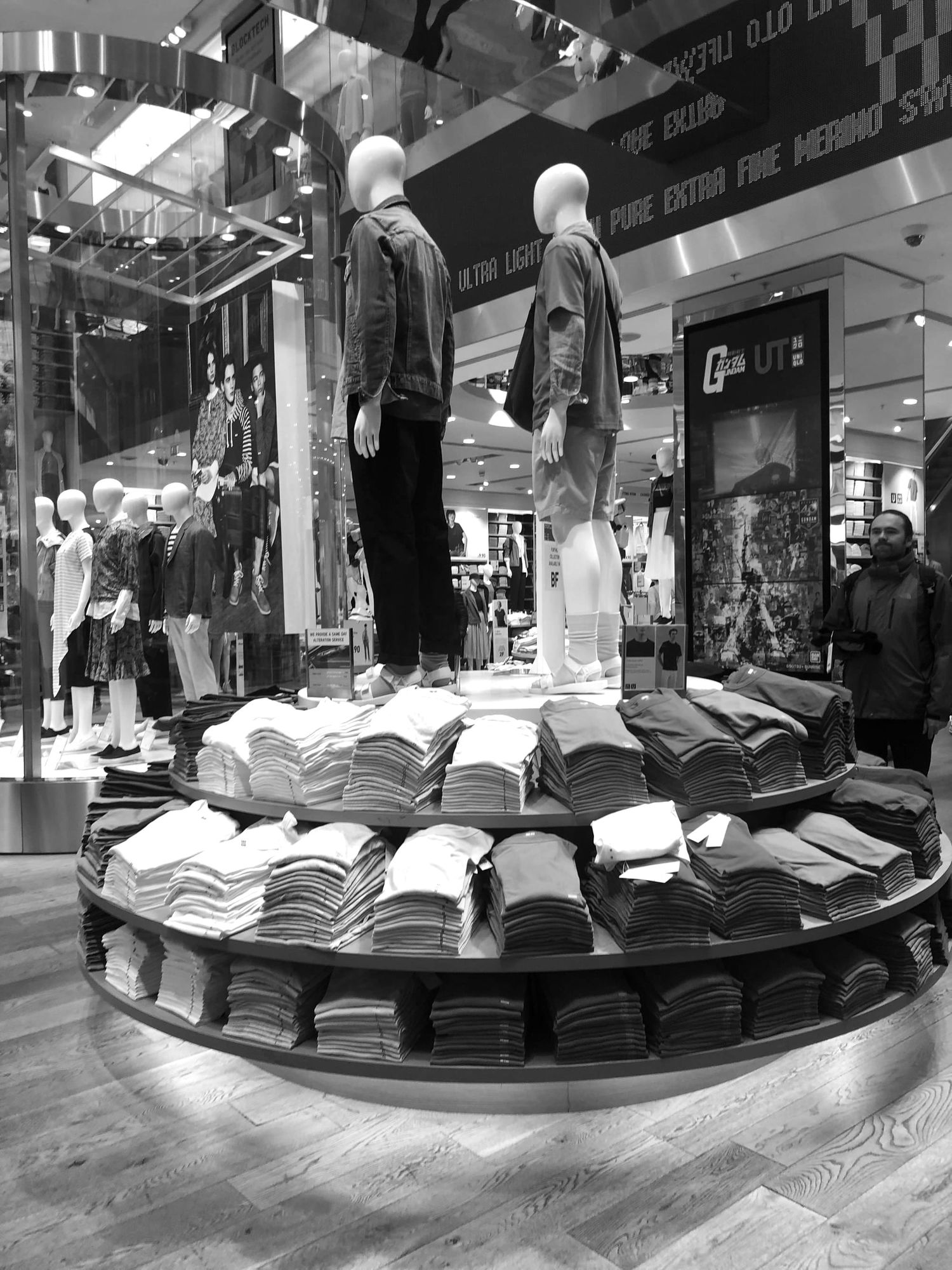
Success in clothing and apparel retail comes when you 'get it all right'.
Right product. Right price. Right place. Right timing. Right positioning. Right perception. Right mindset.
Miss one of these 'things that must be right' and the delicate balance is thrown off kilter; you miss the entire trading season.
Threading back-to-back 'getting it all right', consistently...is stupidly difficult.
But UNIQLO gets it all right, year-in and year-out. They just don't seem to be able to miss.
Fast Retailing (the holding company that owns UNIQLO) are reporting revenue growth of 14.8% year-on-year as well as profit growth of 31.7% for the six months ending February 2026. This BTW is now the brand's fifth-consecutive year of record earnings. Not bad for a 40-year old company.

Now normally clothing and apparel brands will unlock some revenue growth by slashing costs and moving stock by discounting, while some will deliver profit by retrenching staff, or slashing marketing spend (these tactics make the numbers look good in the short-term, but are not sustainable), but to deliver top- and bottom line performance like this is a masterclass in how it should be done.
How does UNIQLO do it? What's their secret recipe for success?
Well, evidence that we've pieced together seems to suggest that the UNIQLO strategy is rather a simple one; the brand is just trying to make and sell truly good clothes.
Good clothes are simple, high quality, highly functional, durable, and long lasting. They enrich the daily lives of people everywhere. Good clothes are also state of the art and environmentally sustainable. These clothes are made and delivered by diverse and engaged staff working in environments that vigorously protect health, safety, and human rights.
These words might sound like the kind of bullshit that almost every other clothing and apparel retailer will try to shove down everyone else's face, while taking any opportunity to cutting operating costs and treating staff like a disposable resource to exploit, but for some weird reason (maybe because we know what the in-store experience feels like and most of our wardrobe is UNIQLO) we kinda believe it when it comes from 'the mouth' of UNIQLO.
Global clothing standards are changing dramatically. Gone are the days when shoppers sought instant glamour and novelty, and overproduction and large-scale disposal were considered normal. Today, people only purchase essential clothes for comfortable everyday life, the clothes they truly need and want. It has become increasingly common for people to wear for years quality clothes that have been procured and produced using efficient, safe, and fair methods, and they expect those clothes to be recycled or reused wherever possible. We have entered a new clothing era, on a global scale. Fast Retailing is perfectly positioned because we do not make disposable clothing. We carefully make timeless, durable items from quality materials – LifeWear epitomizes this.
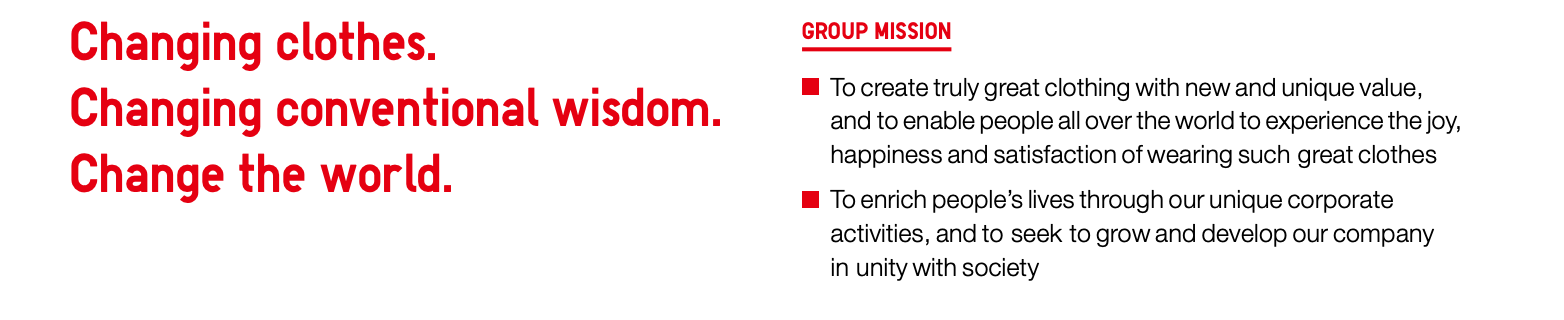
Aspirational ideas like this matter...a lot.
Most brands pay lip service to the notion of a business philosophy, but consistently (in our study of 'what makes great brands great') brands that outperform their peers demonstrate a core reverence to a unique and inspirational mental framework that drives growth and success.
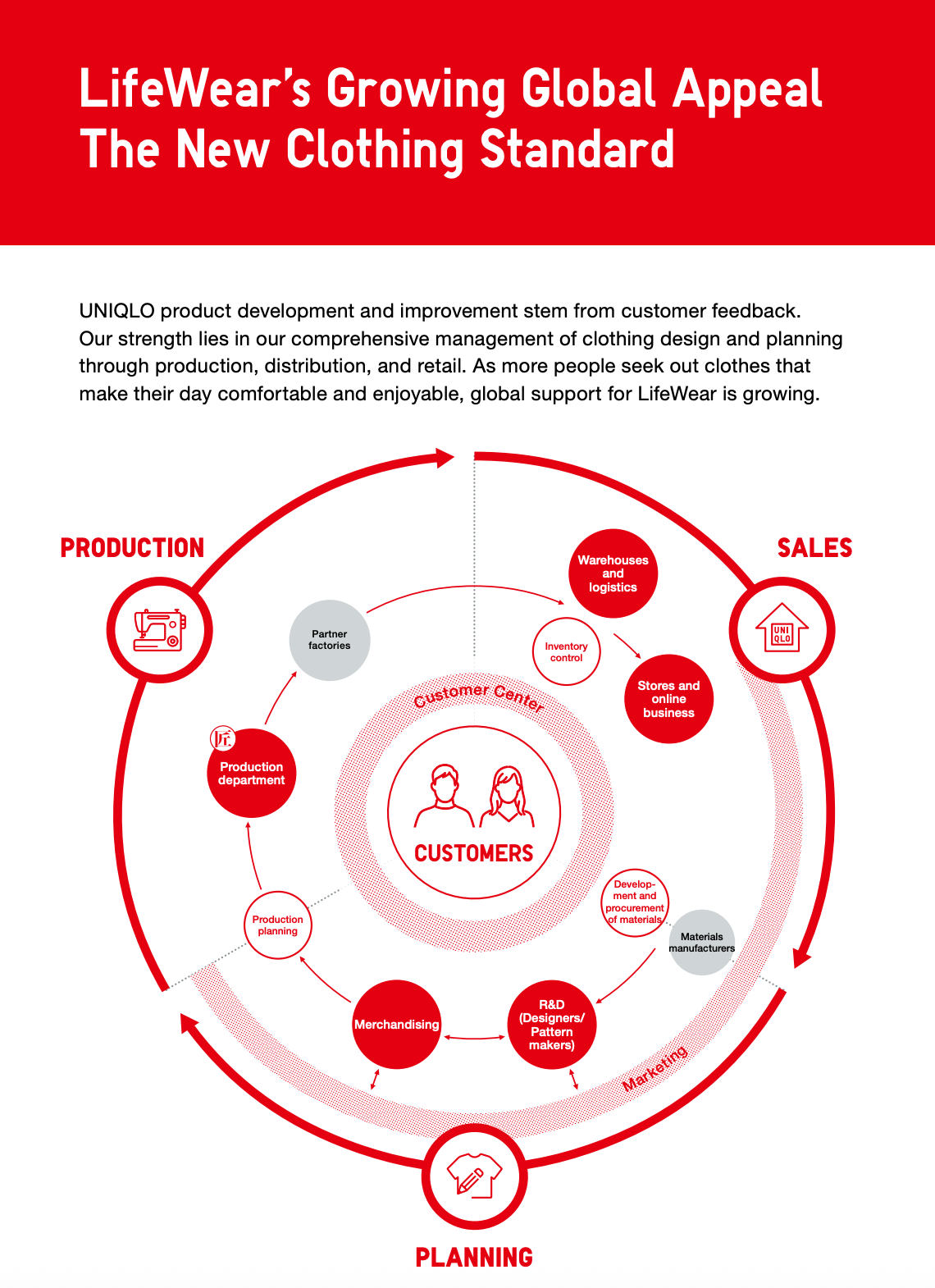
Getting it all right, most of the time, takes good practical decision-making frameworks that deliver consistency at scale.
Our only prayer is that UNIQLO finally makes its debut in South Africa, to bring good clothes here too.
Related:
 Lee Ying Shan
 Jon Cherry