
MUJI is the world through the lens of design
With more than 1400 stores around the world, the brand is performing very well and can be considered to still be at a pre-growth phase of its evolution.


What do you get if you put a clutch of talented product designers in a room...and ask them to reimagine, and simply, the design of everything - from a pen, to a bag of chocolate coated almonds?
You get MUJI; the Japanese store filled with everyday high-quality items.
Spanning a wide range of product categories; from homeware, clothing and apparel to health and beauty, almost everything is fair game for 'the MUJI treatment'.
There is nothing apparently fancy about MUJI itself, or the things that they sell, but all of the things (thousands of them) are all designed and made by MUJI with a particular minimalist design approach and a strict commitment to quality.
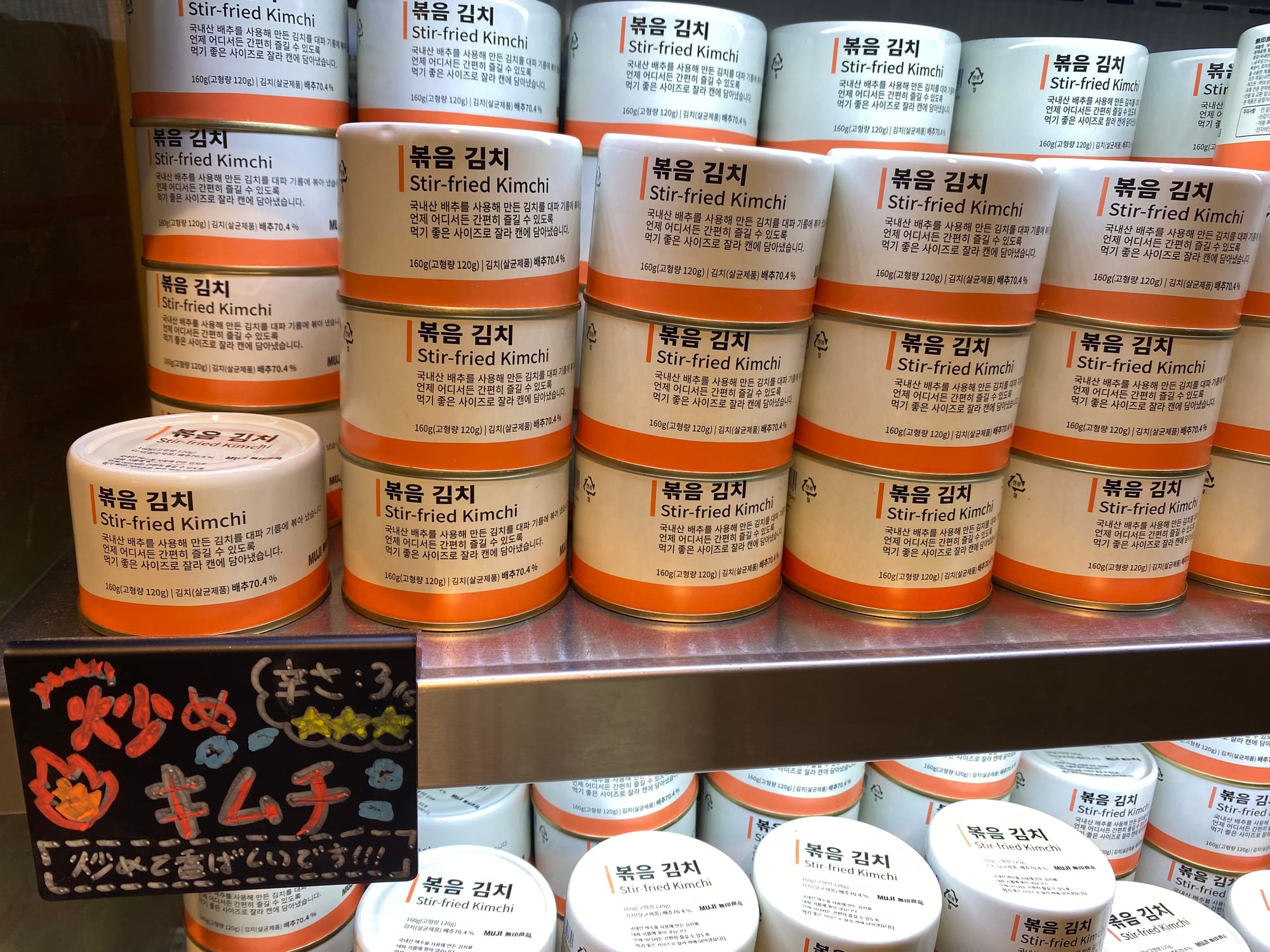
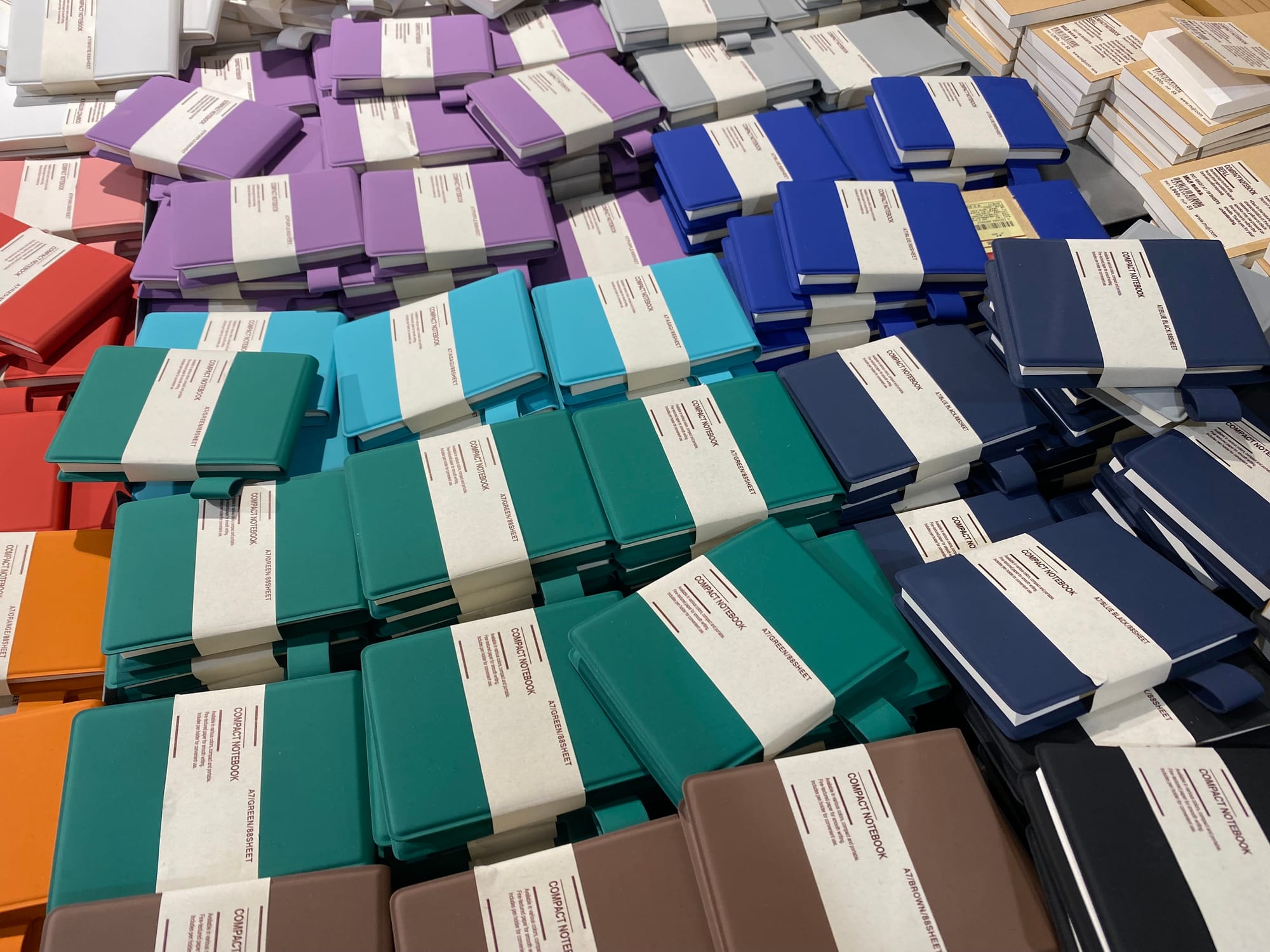
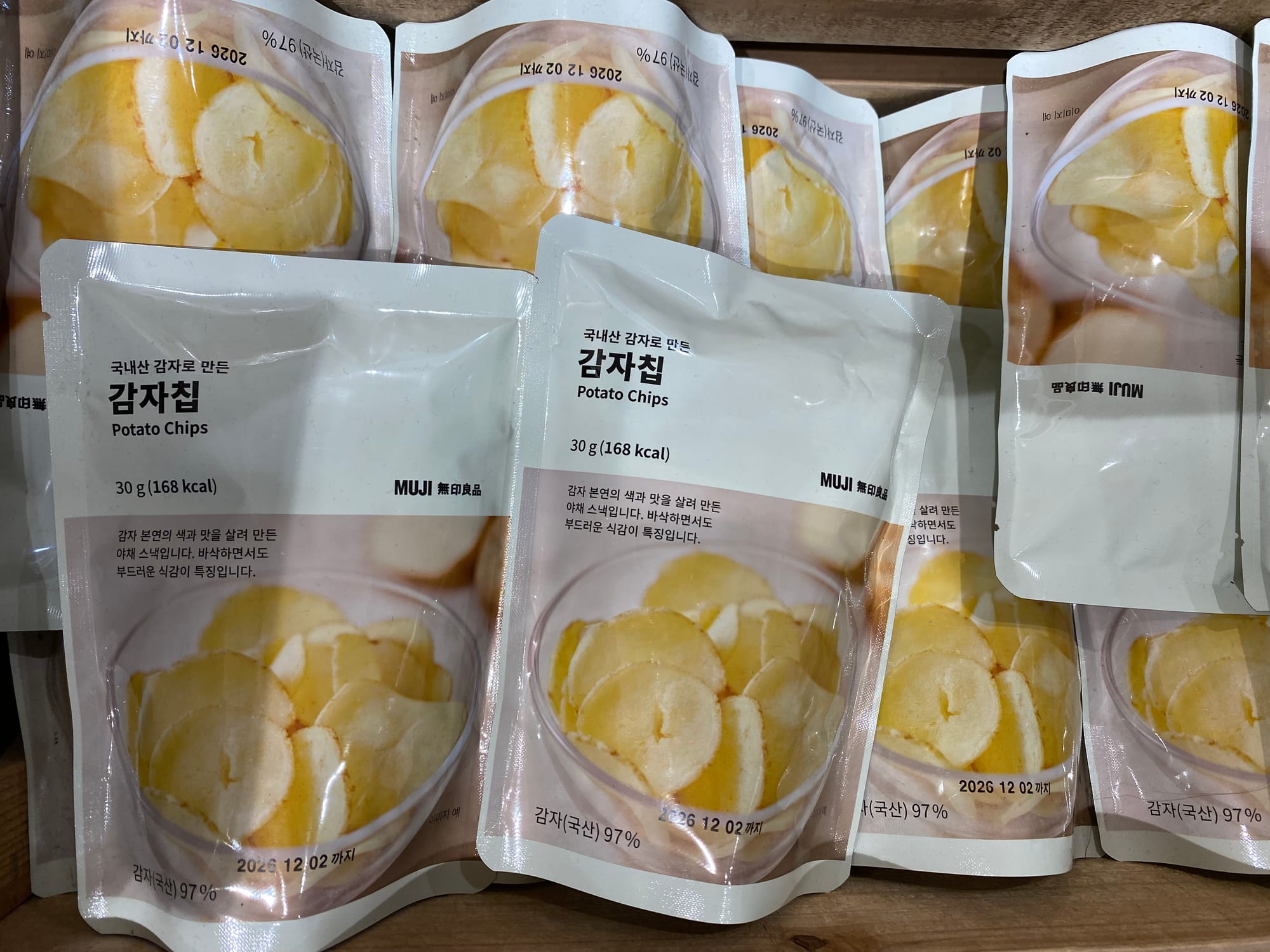
The result is a world of beautifully-designed, well-made products that are reasonably priced and an in-store experience where you find yourself compelled to re-MUJI your entire life as you linger over racks of perfectly packaged kimchi and wonder through the brand's various interpretations.
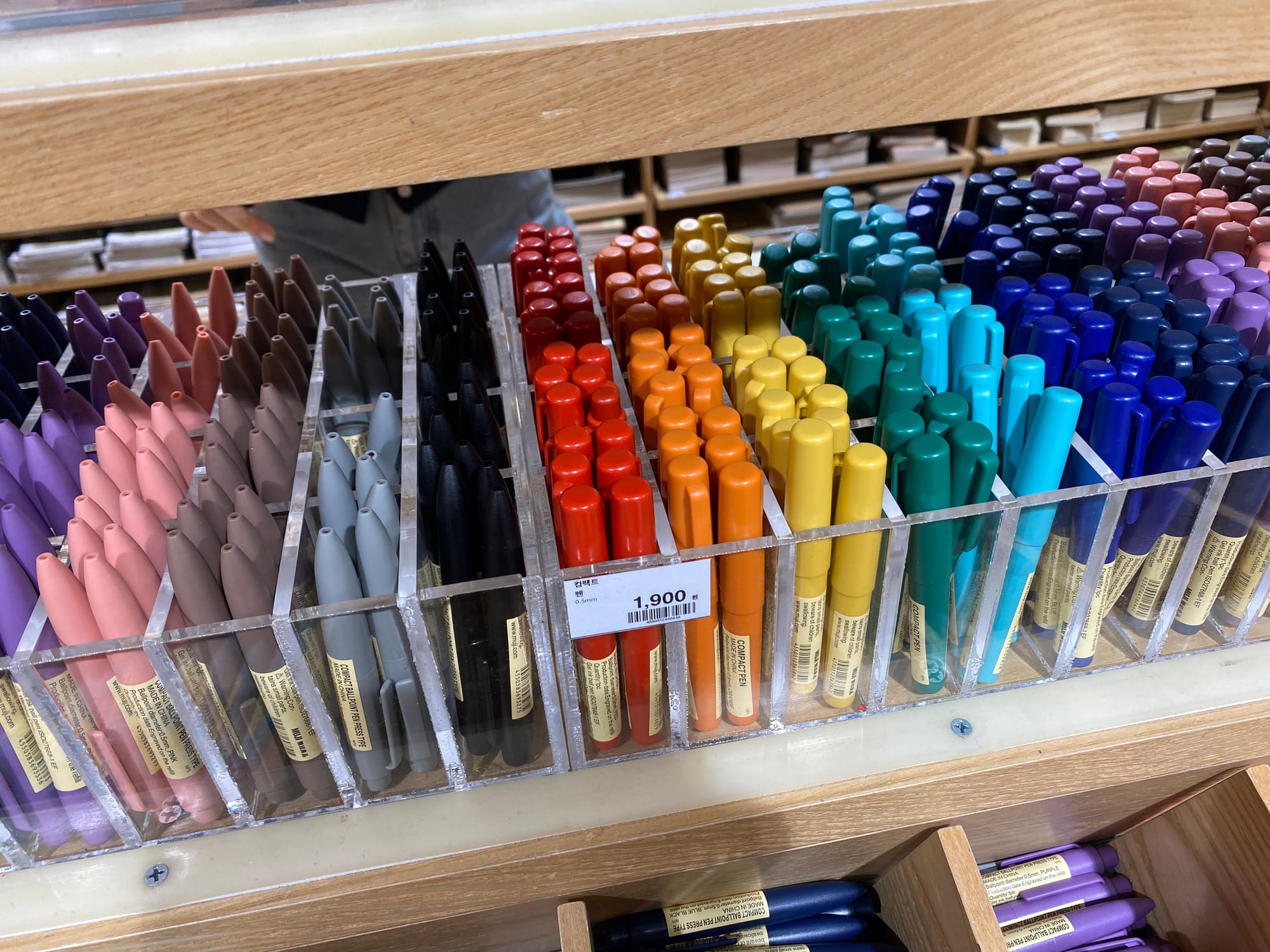
The chosen business constraint has created a unique world, one that's very different from the one outside the multiple levels of each of their flagship stores.
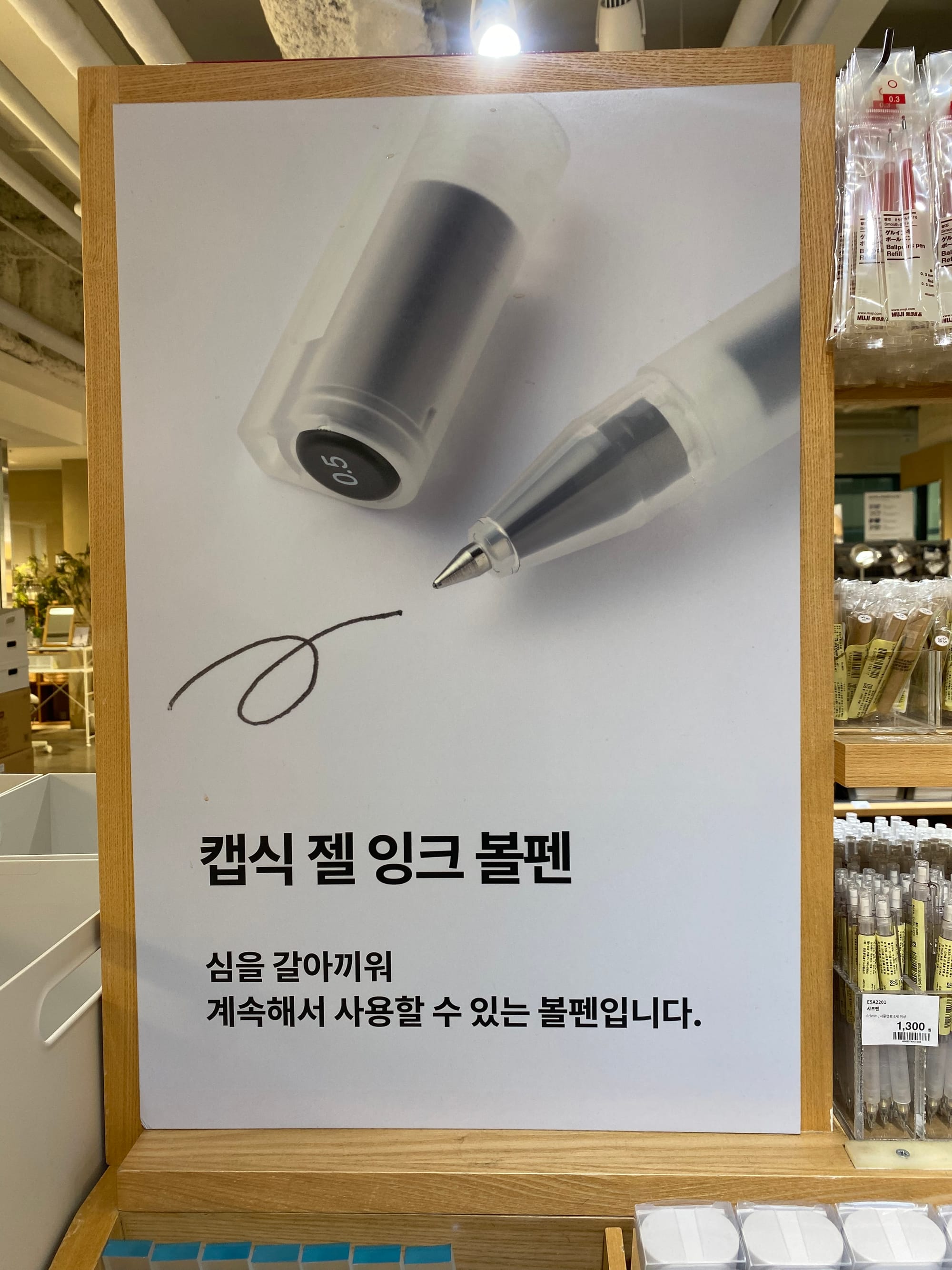
With more than 1400 stores around the world, the brand is performing very well financially and can be considered to still be at a pre-growth phase of its evolution.
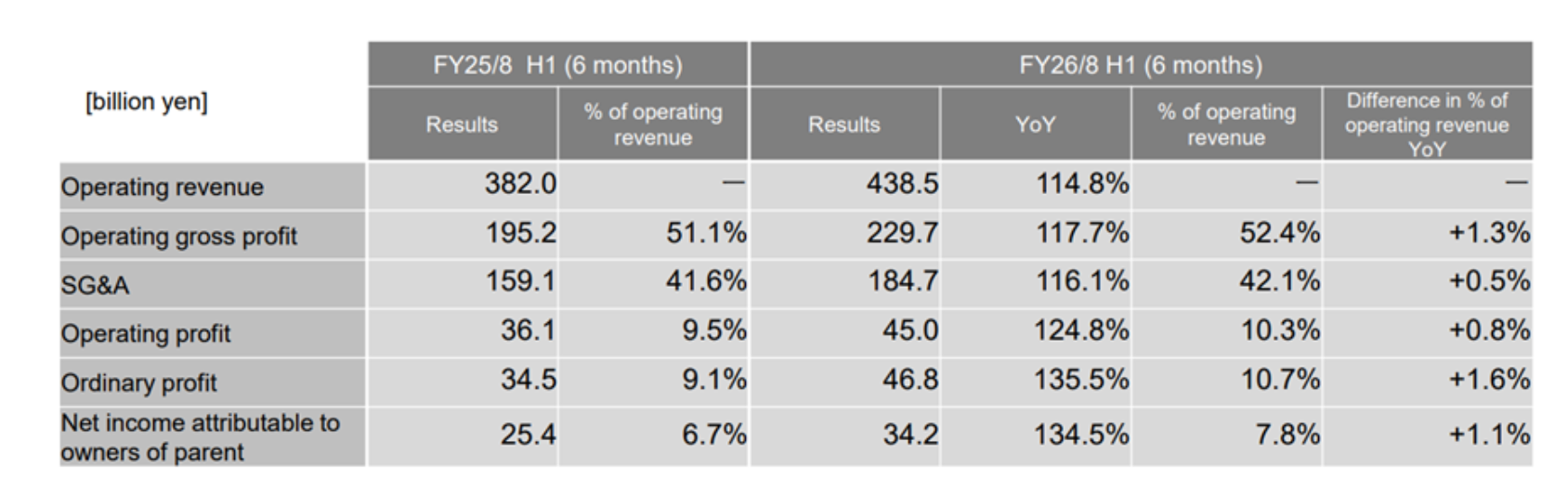
Sales and profit growth both look incredibly strong, and margins are impressively buoyant.
Online-Merge-Offline marketing
As much as talented designers are tasked with enabling the MUJI magic, success also comes with a lot of help from technology.
MUJI are pioneers of OMO marketing (Online-Merge-Offline marketing) merging online and offline store experiences using integrated data insights to deliver the right value to customers — in the form of relevant information, offers and discounts — at the right time.
MUJI use machine learning technology that allows staff easy access (via a chatbot) to insights that guide in-store decision making.
Granular insights also help individual stores make decisions as to what stock is predicted to be in demand at any particular time of the year, helping the brand to optimise “research online, purchase offline” journeys.
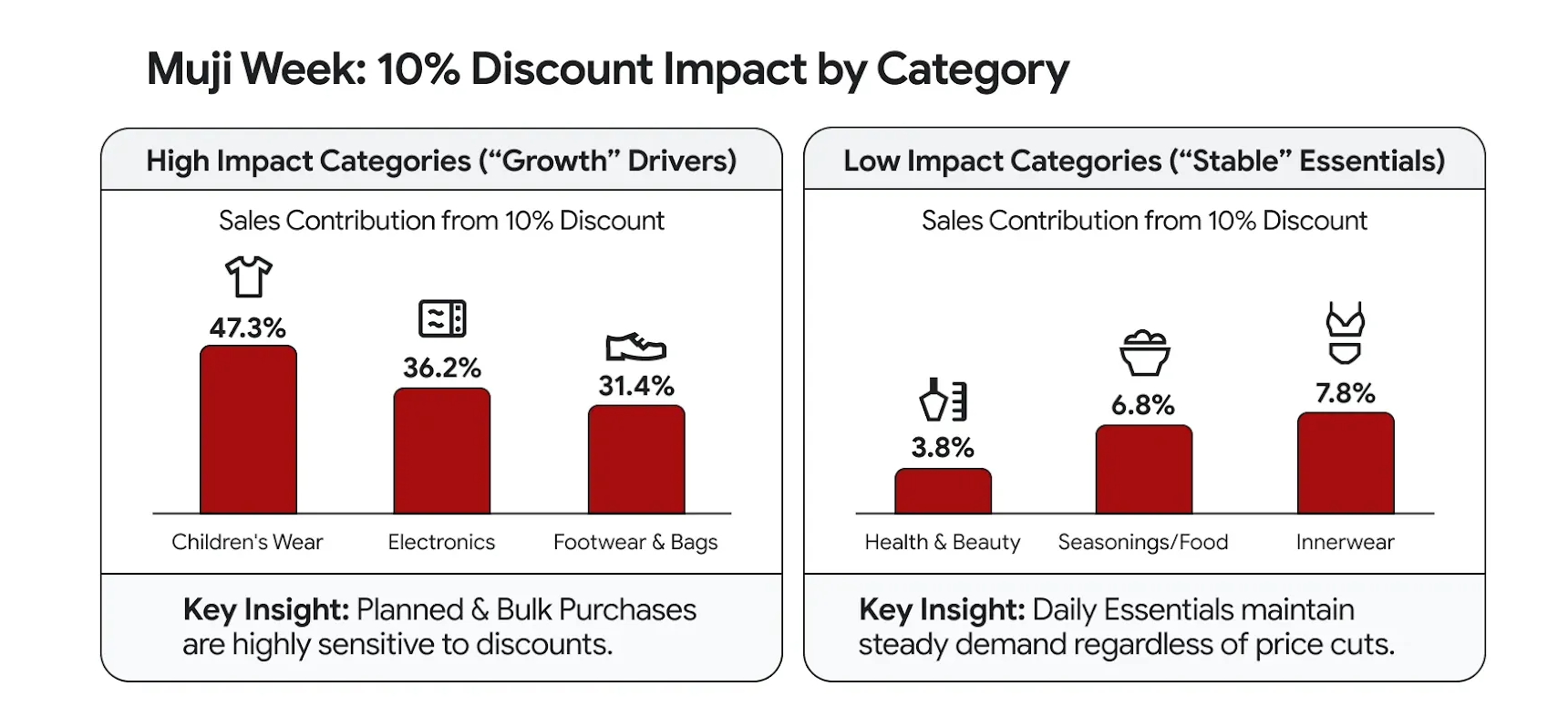
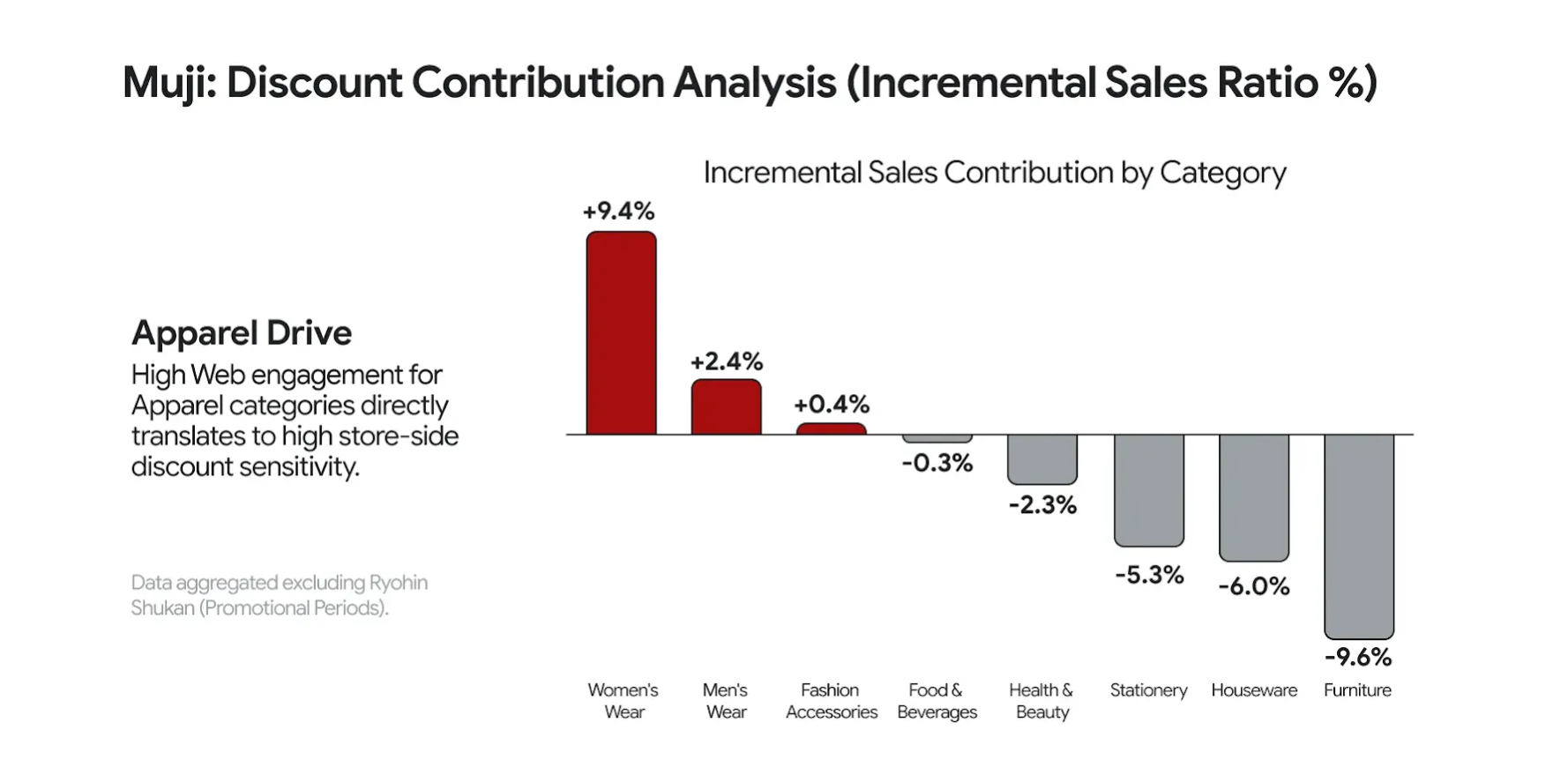
Technology is used to optimise category-specific pricing approaches and appropriate discounting that ultimately drives sales and makes sure that no unnecessary, uninformed mark downs are initiated.
A wonderfully elegant strategy
MUJI's approach to business is not to try and convince customers that their products are 'what they really want', but rather to offer items that are 'good enough'.
The thinking isn't fancy, but against a backdrop of seemingly desperate competitors it's a quite confidence that's surprisingly attractive.
More:
 Hirotoshi Nakahara and Yuta Mombetsu