
Predators spend most of their lives waiting
This 'quietly waiting for long-periods' coupled with brief moments of 'fast, intense, directed action' is the strategy that makes predators top of the food chain.

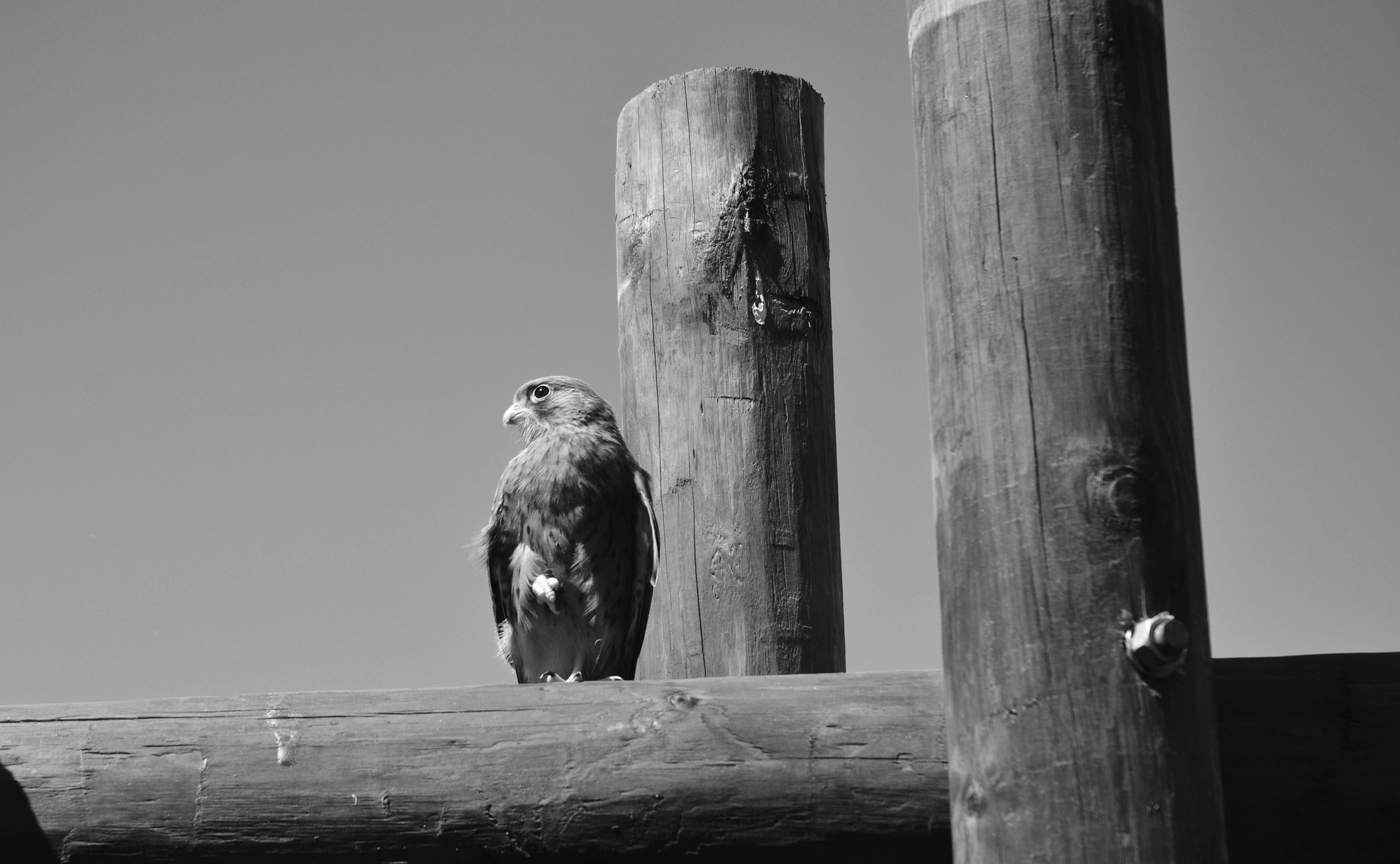
The difference between an apex predator...a bird of prey like this Rock Kestrel pictured here...and a duck (prey for predators), is that unlike a duck, a kestrel spends most of its time just sitting and waiting for a high-value opportunity.
Ducks on the other hand, probably because what they eat is not highly-nutritious (low-value), spend all of their time wading and gobbling up strands of algae, slugs and slime.
Success for kestrels comes because they are capable of enduring very long periods of inaction, between brief moments of opportunity that require intense action to turn into reward.
Predators strike rarely, but constantly survey the landscape for opportunity.
The predator strategy
This 'quietly waiting for long-periods' coupled with moments of 'fast, intense, directed action' is the strategy that makes predators so successful.
The secret to this approach is not actually in the striking, but in the successful absorption of time between opportunities.
If a kestrel just had to be frantically chasing every rustle, every little noise in every bush all of the time, it would quickly become exhausted and put itself in danger by needlessly wasting energy on poor chances of success, becoming executionally weaker with each flailing attempt.
By perching up high, scanning its environment for prey, who are distracted away from the danger thanks to their constant need to forage for food, and only choosing to strike a high value target when conditions are favourable, it deploys its full arsenal of mayhem only when necessary.
Waiting, waiting, waiting...and then striking only when a good opportunity presents itself.
Agile absorption
In his book The Upside of Turbulence: Seizing Opportunity in an Uncertain World, MIT professor Donald Sull presents an aligned argument of what makes exceptional companies exceptional.
In his extensive research of thousands of successful organisations the factors of most importance came down to agility (the ability to spot and hunt opportunities when they presented themselves) and absorption (the capacity to endure the long periods of time not offering viable opportunities to act).
The key to the predator strategy?
The kernel of the predator strategy is knowing which opportunities to take when.
Making the right few choices at the right brief moments.
Great predators choose wisely.
 Follow