Getting into a state of flow
How to access the state of letting the non-verbal mind do what it is optimised to do without a mental narrative impeding it.


A ruminating mind is ill-equipped to deal with a high-performance environment.
Entertaining a mental back-and-forth, while actually needing to respond to split-second changes in context is best done while in a state of flow.
For example, elite athletes don't consciously think about their actions while performing. Rather they are capable of accessing a kind of physical intelligence where the mind tends to fade into the background and action becomes unthinkingly intuitive.
In the past, glorified journalists, who come up with cool sounding theories just to sell books, have mistakingly suggested that achieving this kind of outperformance comes as a result of committing 10 000 hours of practice to their craft, but obviously this kind of oversimplified clickbait is not grounded in any kind of objective truth.
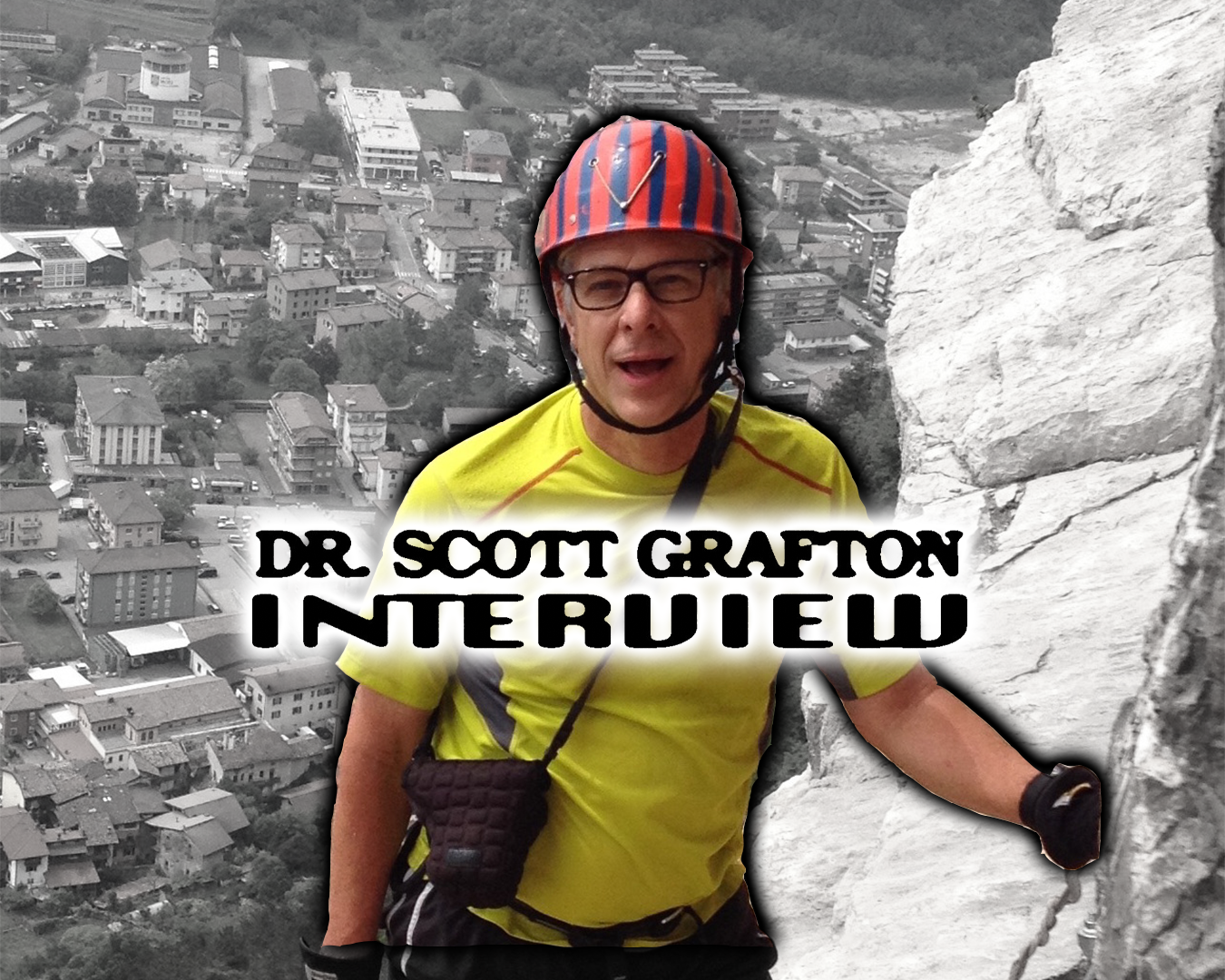
The key to getting into a state of flow is not repetition of the task, but rather - according to Dr Scott Grafton (a Distinguished Professor Emeritus Psychological & Brain Sciences - not a journalist trying to sell books and overpriced presentations):
“What counts is practice of what is hard to execute, in different environments, under different levels of distraction, different kinds of equipment, with different loads like fatigue, lack of sleep, hunger, and at variable levels of risk and reward.”
Elite performance isn’t built by practicing when conditions are perfect. It’s built by practicing when conditions are not.
Expertise is built by forcing the brain to adapt to change, rather than simply making the brain used to repetition.
We are all led to believe that excellence comes as a direct result of our conscious evaluation of alternatives, deep reflection and active thinking, but in truth most of our important decisions are made unconsciously thanks to our entrenched heuristics.
If those heuristics are leading us to choices that are not producing the outcomes we want, the remedy is to build a practice of developing resilience when faced with simulated challenging environments.
It's not a commitment of 10 000 hours that's going to do it, but the development of a skillset that can overcome whatever may come.
More:
 Chris Furey