Why some of the best ideas don't go viral
In her book, Antimemetics, Nadia Asparouhova explores the fascinating idea of ideas that resist spreading.

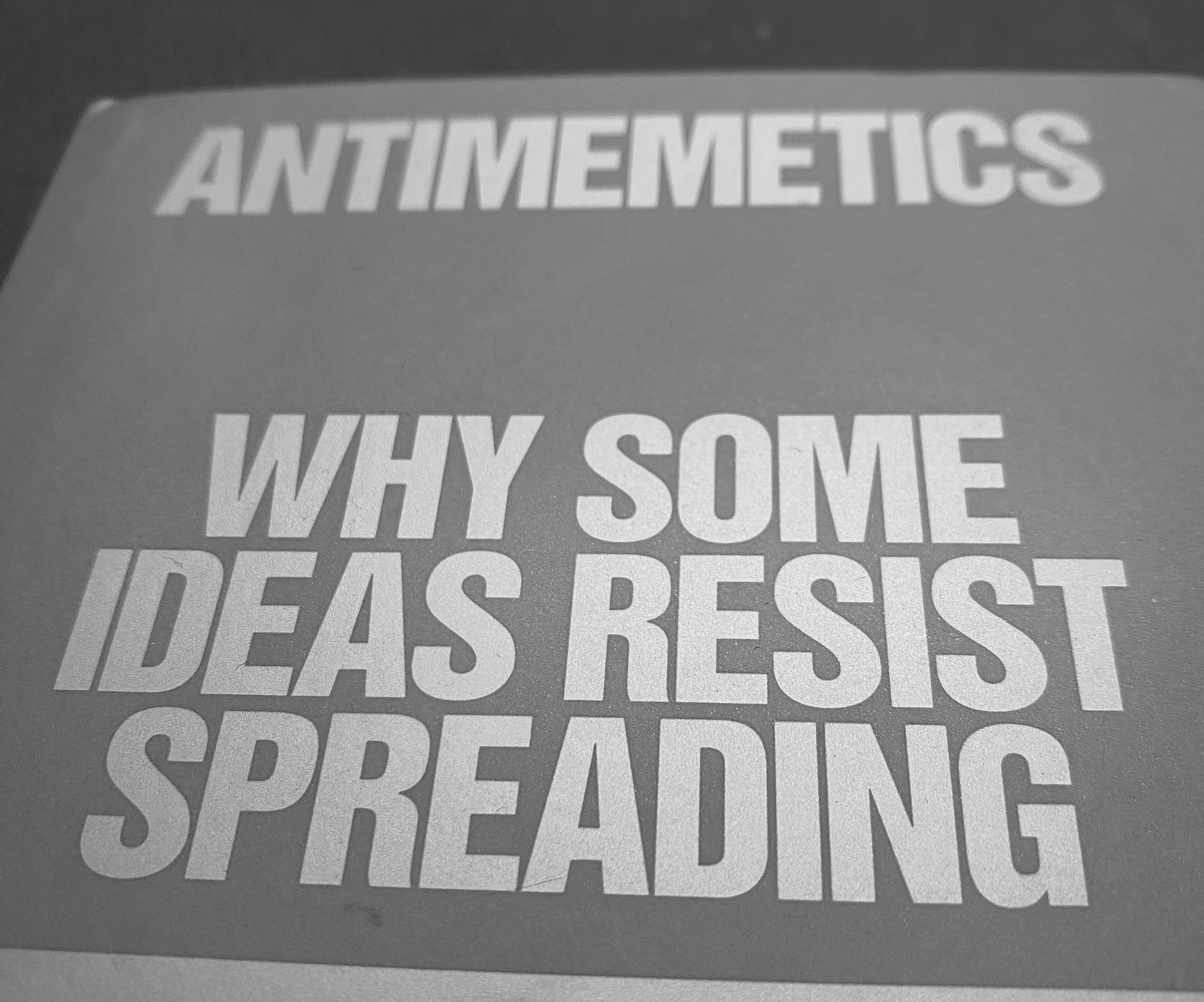
In her book, Antimemetics, Nadia Asparouhova explores the fascinating idea of ideas that resist spreading.
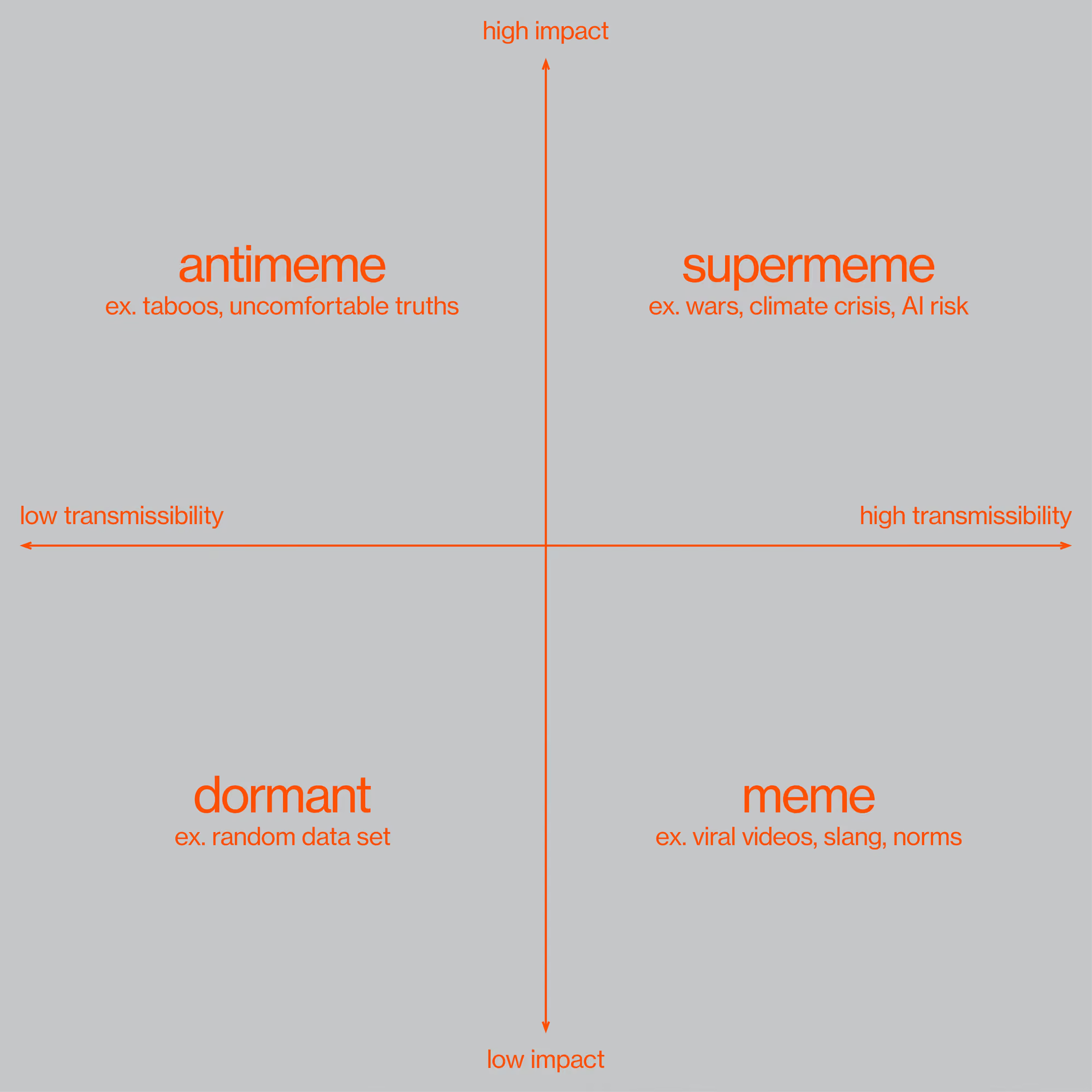
‘Antimemes are real. Think of any piece of information which you wouldn’t share with anybody, like passwords, taboos and dirty secrets. Or any piece of information which would be difficult to share even if you tried: complex equations, very boring passages of text, large blocks of random numbers, and dreams…’
Antimemes are ideas that are difficult to think about directly or hold in mind for too long. They are the taboos and cognitive biases that exist, but are largely ignored and dismissed. Antimemes are also classified as a body of content whose creators purposefully don’t want the information to be shared.
The exact opposite of how we measure media success
This mindset presents itself as the antithesis of how many of us define success in the digital age. The objective is to ‘go viral’, not purposefully intended for a body of work to be limited to the viewing of just a few.
‘Memes may dominate how we communicate online, but in the last few years, their rapid spread has also necessitated the birth of a parallel, shadow ecosystem, where the best ideas are paradoxically harder to find. Not everyone wants their ideas to go viral anymore. One friend writes a newsletter that he asks people not to share around. Another publishes their writing in a Google Doc, which is sent only to a small group of trusted people. My new favorite social app is a private, Twitter-like app that a friend created just for his friends.’
Part of the growing counter movement of our time
We captured this interesting phenomena in the May 2025 issue of The Briefing - a monthly horizon scanning report that is now produced by TMRW Futures Consultancy - and have been following the development of this anti-frictionless shift ever since.
The tidal wave of AI slop that now dominates most of social media has helped to highlight just how painfully poor our easily-accessible media diet has become.
To the point now where the rule of thumb has become 'if its easy to access and you see it everywhere...it's most probably worth ignoring.'
But for writers, brands, producers, makers...is an audience that's mentally primed to just skim your work even worth the effort?
Is it really worth even bothering with a low-quality audience that's just after a quick dopamine hit before they move onto some other salacious piece of slop?
How we communicate these days - stripped down…dumbed down - versions of more detailed reflections is a requirement if you are intending to inspire an audience to consume your work.
But in the hunt for information brevity we are pandering to a doomscrolling culture and a brain dead audience that perhaps isn’t ever worth the effort to engage with in the first place. Our hunt for views and likes and metric of quantity doesn’t necessarily equal quality.
We have blindly adopted technocratic metrics of success that are not actually serving anything other than our vanity; short-changing ourselves and our work.
More:
Access past copies of The Briefing...