
Where to from here for Cape Town tourism?
Everyone says that they love us, yet hardly anyone comes.

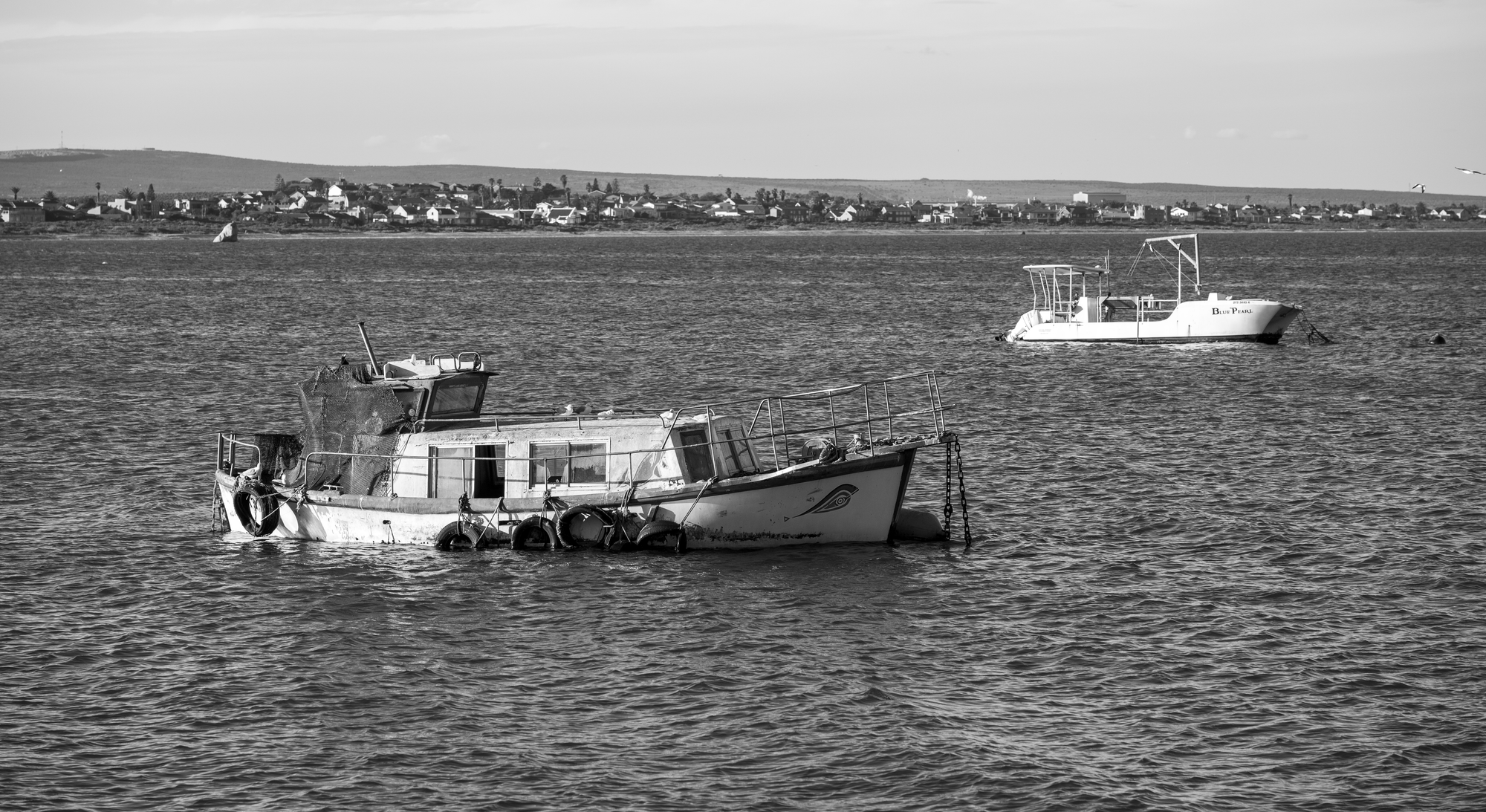
Cape Town Tourism have announced that in 2025 the industry generated R24.5 billion in direct spend (R19 billion of that coming from international visitors) and the number of foreign overnight visitors reached 1.44 million. The tourism sector is responsible for the creation of 106,000 jobs.
These numbers obviously sound rather good, but if tourism is this massive growth driver that everyone keeps saying that it is, why does it still feel like the impact of this apparent success is so limited?
In our own answer to this question, it's revealing to peg Cape Town's numbers in comparison to other global tourism offerings.
Compared to Cape Town, Bangkok consistently welcomes more than 30 million foreign tourists each year, generating in excess of R613 billion in direct spend.
Sadly, Cape Town doesn't even make it into the list of the world's Top 100 most visited cities.
And according to TimeOut: 'While South Africa has recorded triple-digit growth rates off a weak post-pandemic base, overseas arrivals are still 9% below 2019 levels.'
Yes, tourism is an important opportunity. Yes, the local numbers are improving. Yes, there is a hopeful story here, but for a city that is consistently ranked as one of the best places in the world to visit, there is certainly a huge disconnect between Cape Town's hype-factor and visitor conversion.
Everyone says that they love us, yet hardly anyone comes.
Why?
- Limited direct flights - despite the rosey image that the city portrays, it's still not the easiest destination to get to. Flights are long, limited and expensive. Until more airlines schedule direct flights from high-value destinations (USA, Europe, China, Japan) through to Cape Town International, growth in visitor numbers is effectively capped. It doesn't matter how much marketing you do; if access is restricted, it's all for nothing.
- Tourism product is limited - with no Michelin-star restaurants, limited nightlife, no family-orientated resorts and high levels of contact crime, the tourism product outside of: a visit to the Waterfront, a trip up Table Mountain, a look at the penguins and a boozy afternoon at a wine farm...is incredibly limited. Unless you are an experienced traveller who is searching for a bit of an adventure, Cape Town as a destination is not exactly user-friendly by international standards.
- Vague value proposition - visitors go to Bangkok for the nightlife, Paris for romance, Seoul for a trip into the future and New York to feel what it's like to live on a movie set. But Cape Town's commercial value proposition is not clearly defined. Right now it's a little bit of everything that you can also get almost everywhere else. Although we've sat in a few entertaining presentations that James Vos has given, we can't honestly recount a clear strategy as to how Cape Town's unique positioning on the global stage is going to lure visitors here. In other words, there is no clear, urgent and compelling reason for anyone to pay the city a visit.
A big vision and lots of investment
For the city to unlock the significant value that tourism could be offering we would need bolder policy choices, a big vision of what we're ultimately trying to create and a substantial amount of financial investment into public and private infrastructure to facilitate the strategy.
And all of this needs to happen while being well aware that other countries and cities are also trying to attract tourism spend. This is a highly-competitive arena and success requires some smart, creative thinking.
We simply can't afford to approach the opportunity with yesterday's level of ingenuity. There is no doubt that a lot of people are working hard to try to get Cape Town up with tourism's best, but if we are truly honest about our performance (which we think we should be considering how important this topic is) our offering is just not yet good enough.