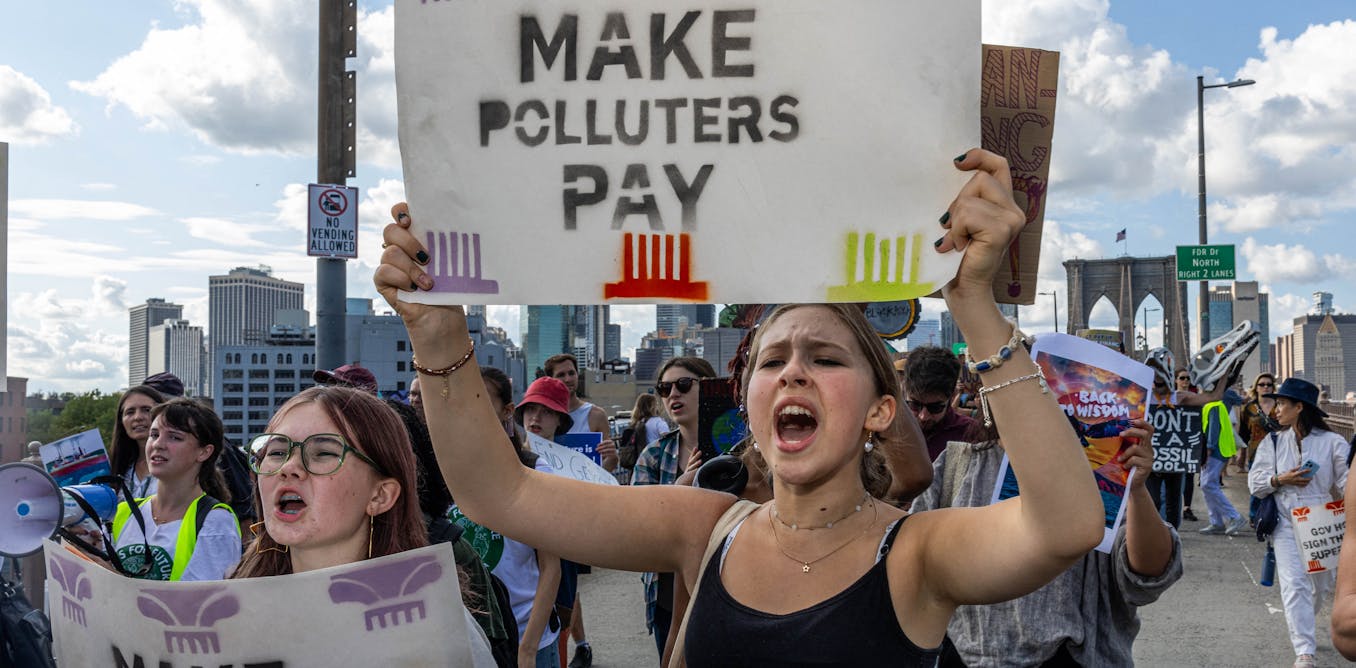
Should corporations be held legally liable for climate change?
Public pressure to go after the transgressors is mounting.

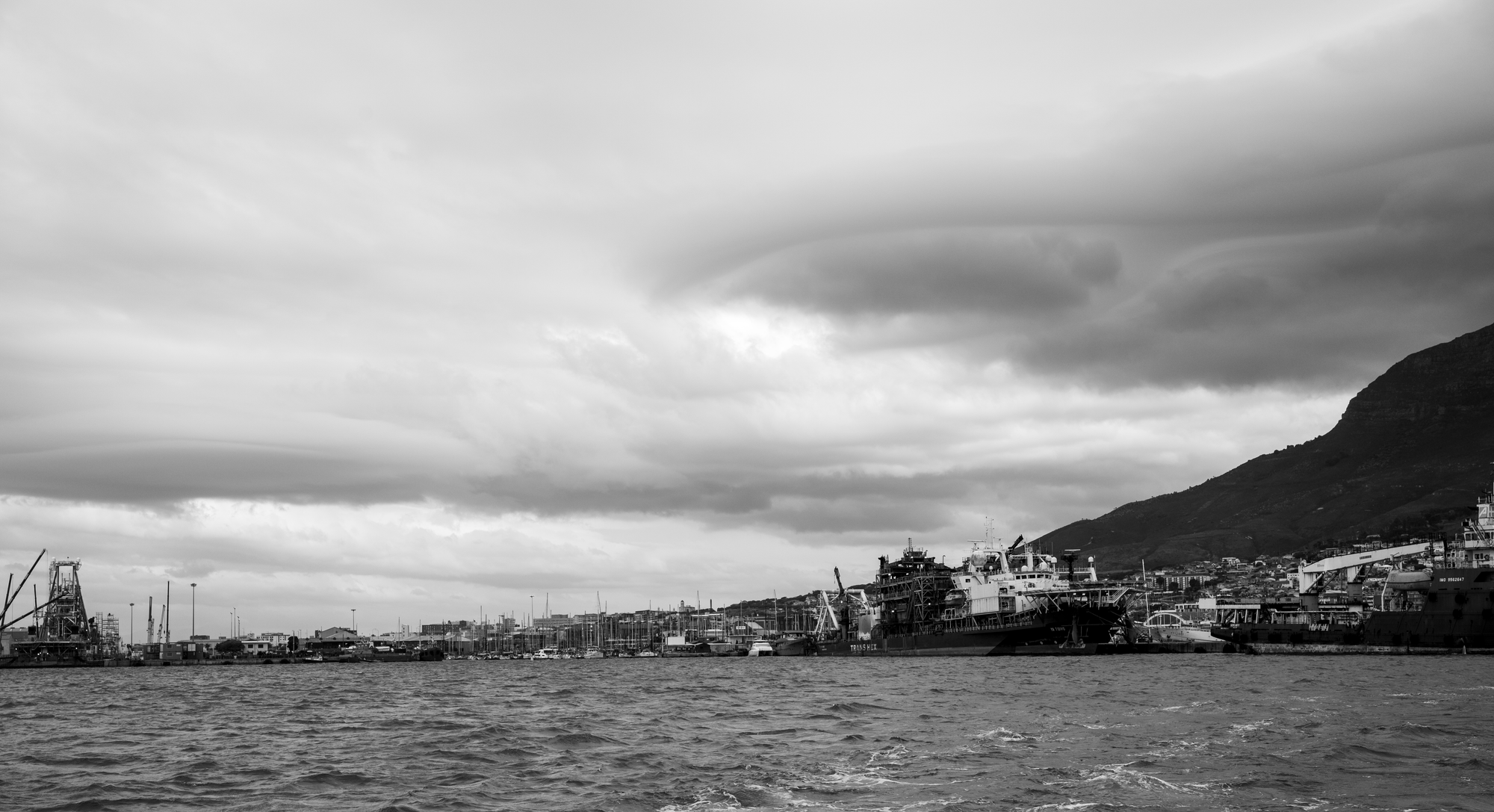
In an unprecedented recent ruling, a French court has judged that TotalEnergies is now required to report not only its own climate-warming emissions and those of its contractors, but also those of its customers, who burn the oil and petroleum products the company sells.
At a time of alarming heatwaves across Europe and devastating wild fires, this news signals yet another step closer to a future where corporations who are deemed responsible for producing excessive amounts of greenhouse emissions are held legally responsible for their actions.
This ruling may set a precedent for European Union rules requiring similar reports from companies in other countries, which will come into effect in 2028. [via]
Following a steady stream of global stories in which corporate actions have caused material damage to the public good, public pressure to go after the transgressors is mounting.
Ultimately there is no better motivator for radical change than graphic images of a country going up in flames because of perceived corporate greed.
In our monthly practice of horizon scanning that we do for our clients, we're picking up an escalating number of stories that point in the same direction. The rights of nature and future generations are being put at risk by our current choices and the voices of those two, usually overlooked stakeholders, are getting louder.
More:
 Aminta Ossom
 Alejandro E. Camacho