
Intense hysteria and profound confusion
The old methods of decision-making no longer work. A different approach is required.

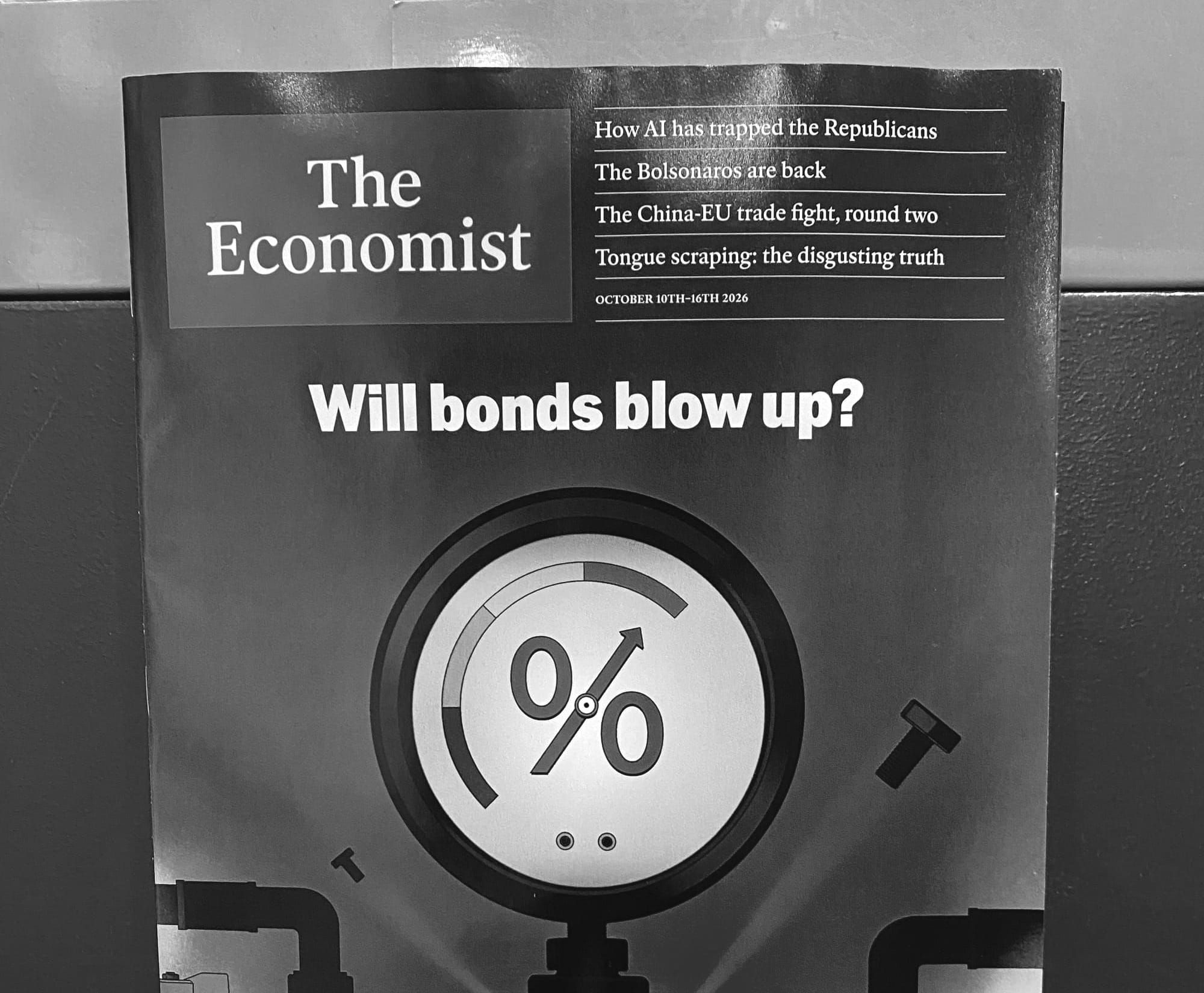
We are living through a time of intense hysteria and profound confusion.
Nothing seems to make logical sense and those in charge are either offering simple solutions to complex issues...or, are just flat-out lying to all of us for their own personal gain.
In a February 2026 business intelligence report, that we compiled and published, we focused on the phenomena of 'Hypernormalisation', which was also the theme of one of Adam Curtis' most popular films:
“We live in a strange time.
Extraordinary events keep happening that undermine the
stability of our world.
Suicide bombs, waves of refugees, Donald Trump, Vladimir Putin, even Brexit.
Yet those in control seem unable to deal with them, and no one has any vision of a different or a better kind of future.”
- extract from the beginning of the 2016 Adam Curtis film ‘Hypernormalisation’.
Hypernormalisation describes a state where a fake, simplified reality, built by those in power through propaganda and media, becomes more “normal” than
the complex, messy real world, leading people to accept obvious dysfunction as the status quo because they can’t imagine alternatives.
Coined by anthropologist Alexei Yurchak for late-Soviet life and popularized by Adam Curtis’s brilliant 2016 BBC documentary, it’s the feeling that politicians and media present a controlled, artificial world, yet everyone knows it’s
fake, but carries on as if it’s real, creating profound societal disconnection and apathy.
Evidence of this bizarre state is everywhere.
And what has been created as a result of it is a widespread condition of distrust in our institutions and each other.
Within this framework of social fracture, the creators of this disorder profit handsomely.
The system itself is manifesting the reinforcing conditions that ensure its survival: outrage, global disconnection and apathy.
Under these chaotic circumstances society’s attention is lulled into an all consuming obsession with the past and present, rather than focusing our collective efforts on imagining visions of preferred futures that can be created as
an alternative.
For now though we navigate the path forward under conditions of intense hysteria and profound confusion.
The old methods of decision-making no longer work.
A different approach to progress is required; one that fully appreciates the intense hysteria and profound confusion we feel.