
How systems change really happens
Believe in the process and carry on.

Often, after completing an inspiring and energising strategic foresight workshop, the group will then turn around and rightly ask; 'But how do we now materialise this vision in our organisation?'
This, of course, is the million dollar question...
How do you successfully implement strategy?
How do you take an image of what you'd like the future to be...and make it real?
How do you successfully navigate the inevitable obstacles, naysayers and people who will deliberately attempt to sabotage the vision?
Mistake #1
The biggest mistake those embarking on a strategic change project can make is to assume that everyone will simply buy-in to the need for change and the proposed change itself.
It's 100% guaranteed that there will be fierce resistance to the change that presents itself in various forms; that include 'outright objection', to 'deceptive verbal agreements that transpire back into a continuation of old-thinking in practice'.
Mistake #2
Even if everyone agrees that the old system is broken, toxic and needs to change; the daunting task of change will be far more terrifying for people than staying put in surroundings that are familiar.
Assuming that better is indeed better in the minds of people would be a big mistake. Better is often a very scary place to journey towards.
So what then is the solution to strategy inertia?
Firstly, don't think of your vision of the future as something that manifests at the end of a time horizon, rather think of it as something that gets lovingly nurtured into being daily, starting right now.
Here's an example:
South Africa's Freedom Charter - the blueprint on which our democracy was first envisioned and documented - was created in 1955.
We, the People of South Africa, declare for all our country and the world to know: that South Africa belongs to all who live in it, black and white, and that no government can justly claim authority unless it is based on the will of all the people; that our people have been robbed of their birthright to land, liberty and peace by a form of government founded on injustice and inequality; that our country will never be prosperous or free until all our people live in brotherhood, enjoying equal rights and opportunities; that only a democratic state, based on the will of all the people, can secure to all their birthright without distinction of colour, race, sex or belief; And therefore, we, the people of South Africa, black and white together - equals, countrymen and brothers - adopt this Freedom Charter. And we pledge ourselves to strive together, sparing neither strength nor courage, until the democratic changes here set out have been won.
It took 39 long and difficult years for the images captured in the Freedom Charter to finally be realised in 1994.
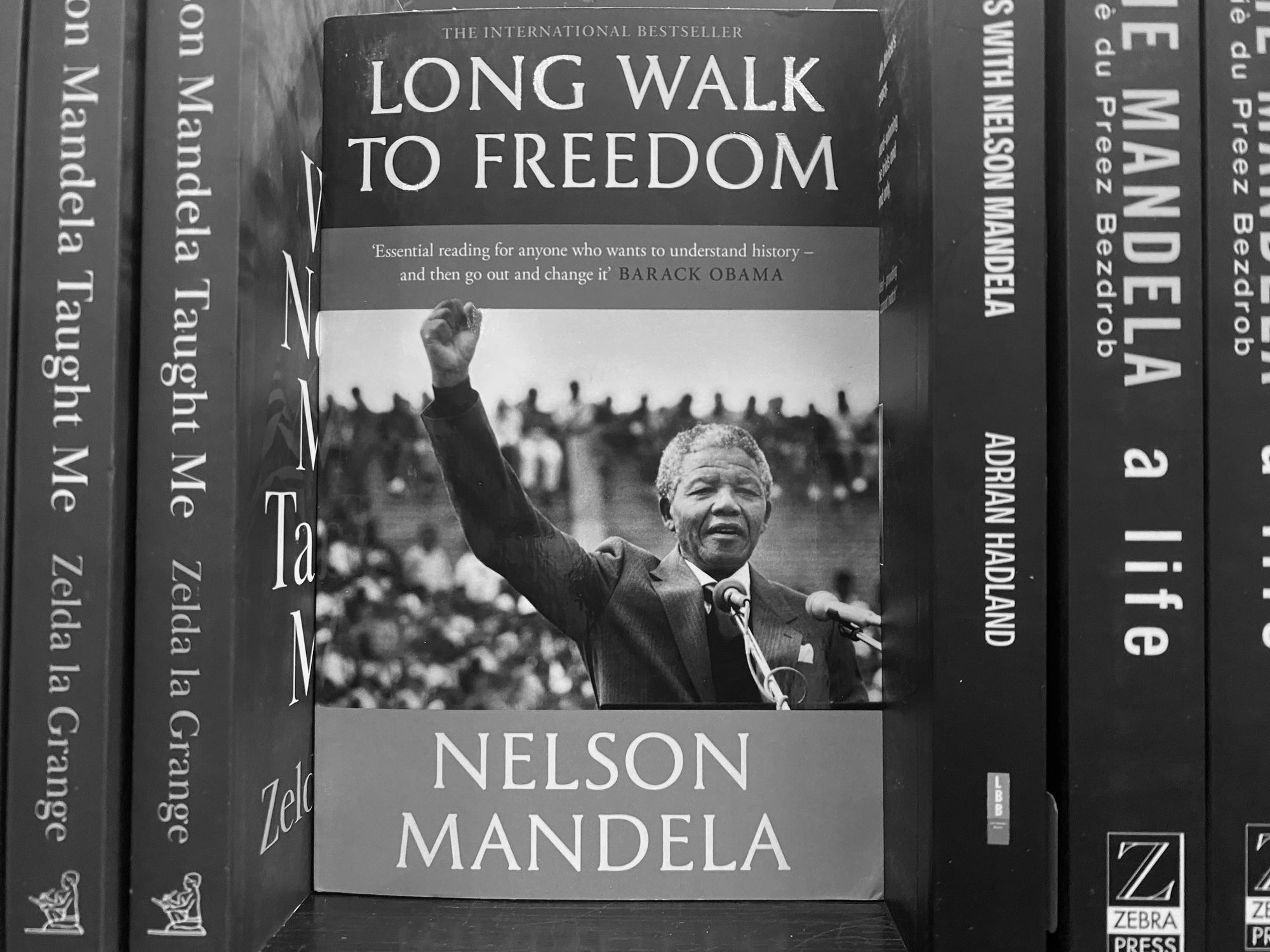
Nelson Mandela's own struggle towards freedom he termed as a 'long walk to freedom'. Four decades is a long time to keep the faith that what you are working towards will one day be realised. But what was understood was that freedom comes from a struggle towards freedom, so as long as 'the struggle' was happening...freedom was being created.
Systems change happens slowly, and as a result of a sustained push towards the ideal.
New narratives and concepts need to be used and spoken thousands of times, before finally... at some point in the future... the penny drops and resistance eases.
Creating the future and changing the world is not work for those accustom to instant gratification. You need to have enormous amounts of patience and tenacity to keep working on building the future everyday.
Aim for consistent progress, small wins, little nuggets of evidence that prove the plausibility, viability and desirability of where you are heading.
Delays, buffers and long periods of no perceivable progress must be expected, but that doesn't mean that you should give up hope and pack in the effort.
Believe in the process and carry on regardless.