How LEGO is delivering outperformance
A serious focus on top line growth is paying handsome dividends.

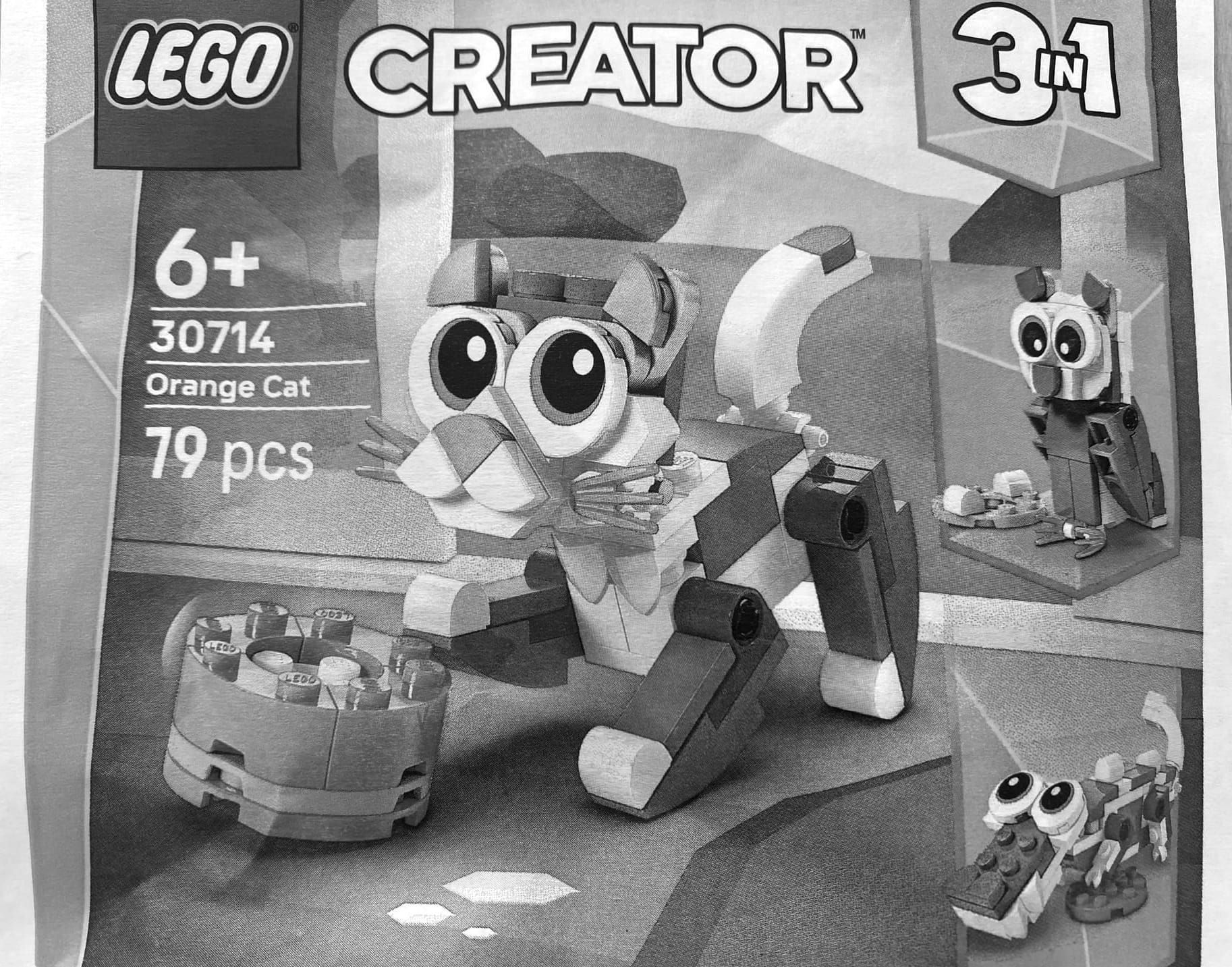
LEGO has been around for nearly 100 years, but today the company is growing as if it were still a start-up.
Although not publicly listed, the group does published its annual report online and the financial performance the brand is delivering...is simply outstanding.
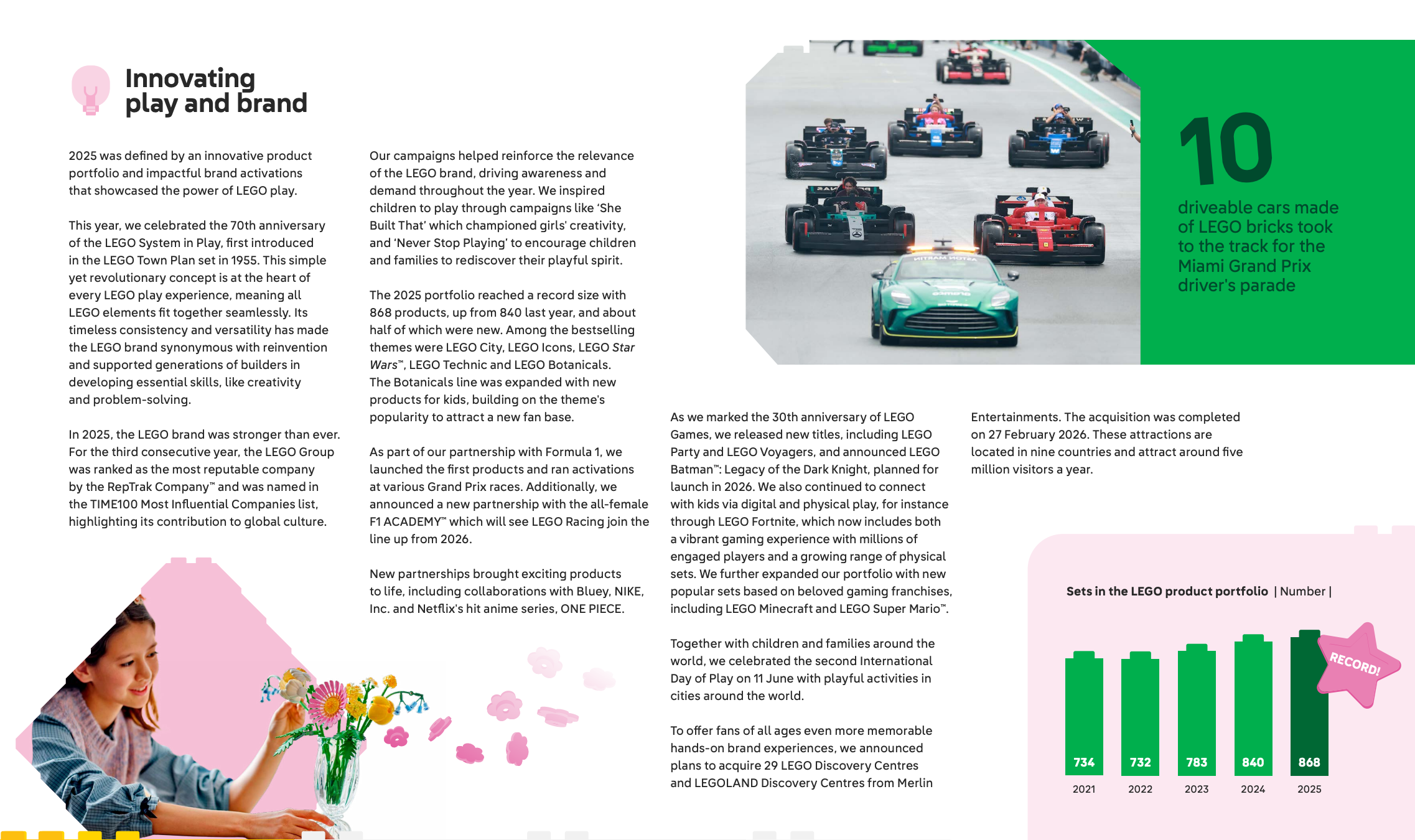
Since 2021, the brand has recorded an impressive 66% growth rate in consumer sales and is easily outperforming competitors in the broader toy category.
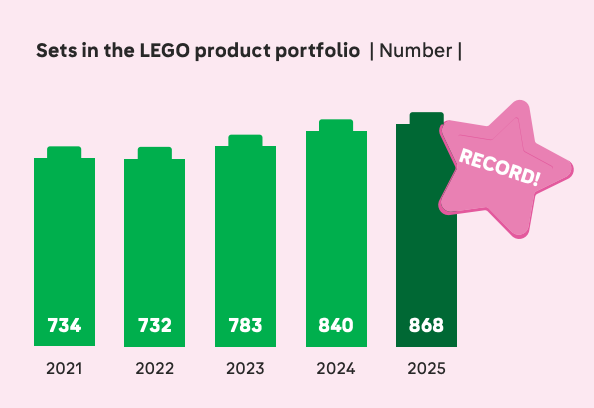
The product innovation pipeline is also incredibly strong; the portfolio of sets the brand offers has grown nearly 20% in just 4 years.
The 2025 portfolio reached a record size with 868 products, up from 840 last year, and about half of which were new. Among the bestselling themes were LEGO City, LEGO Icons, LEGO Star Wars™, LEGO Technic and LEGO Botanicals. The Botanicals line was expanded with new products for kids, building on the theme's popularity to attract a new fan base.
But for a sense of how LEGO are achieving such amazing results, evidence presents itself in the tone and language used in the annual report.
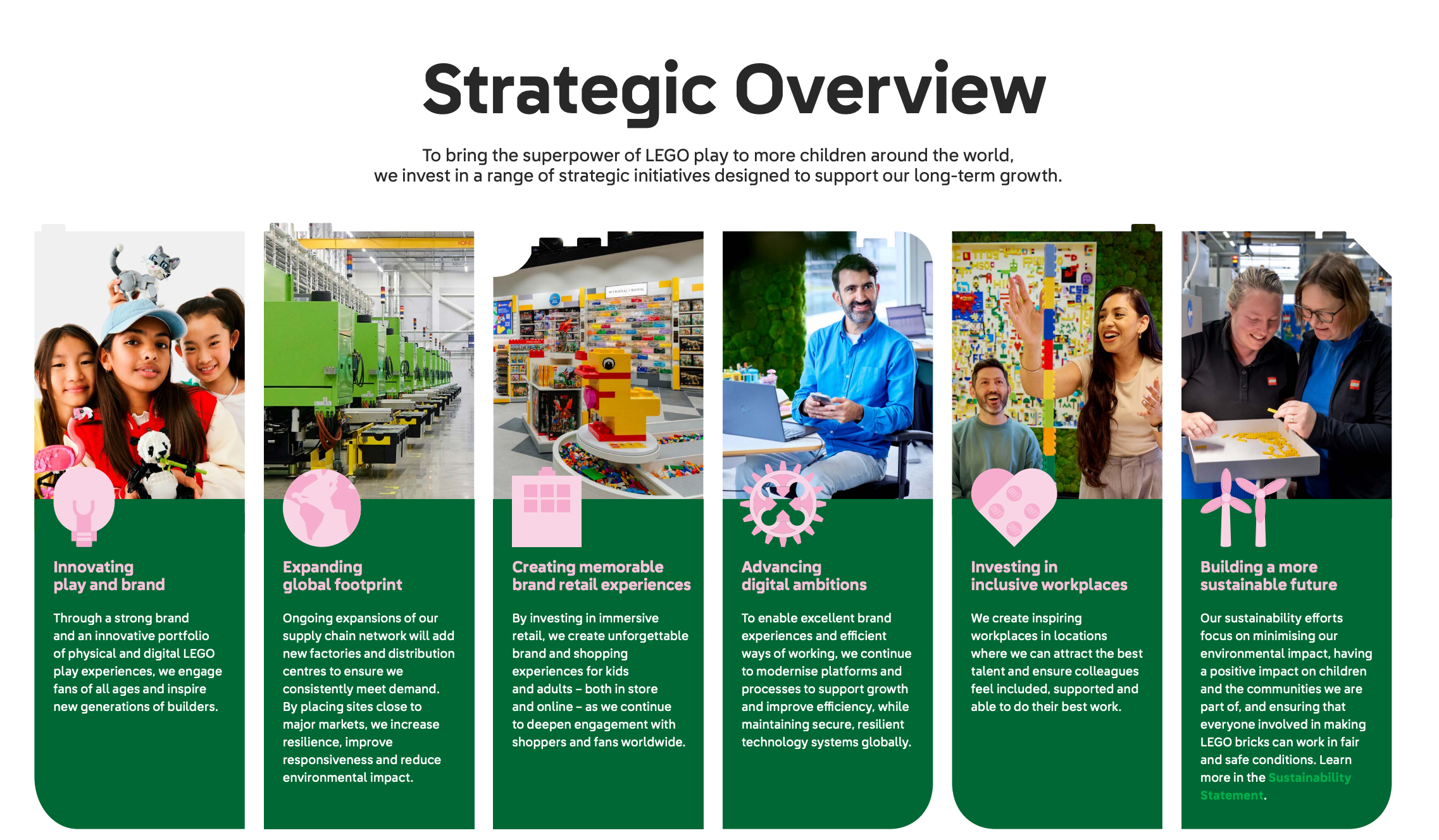
In the overall strategic overview - the focus of the LEGO Group is not just on efficiency gains, but rather entirely directed at making play more accessible to more children around the world.
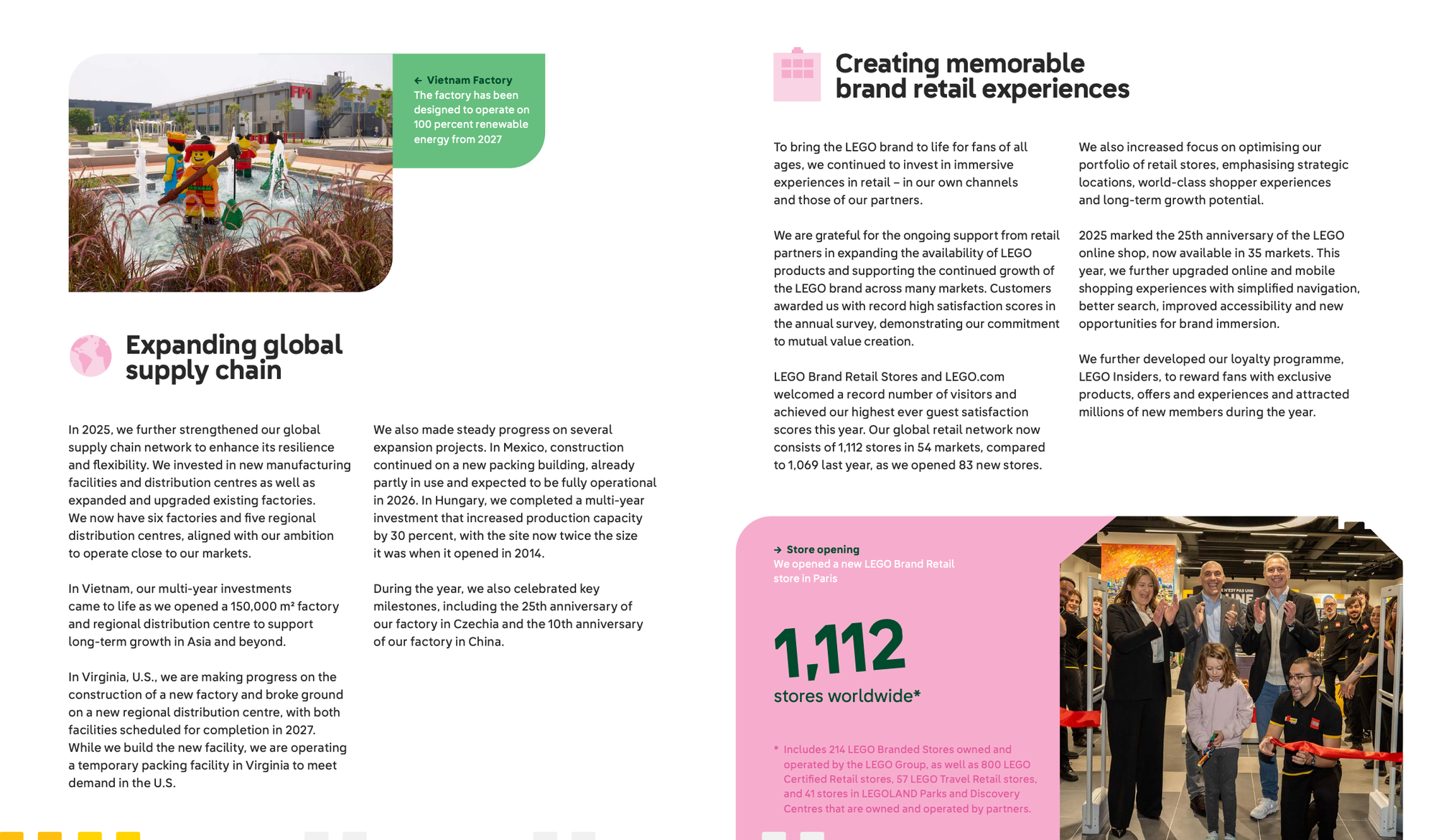
LEGO Brand Retail Stores and LEGO.com welcomed a record number of visitors and achieved our highest ever guest satisfaction scores this year. Our global retail network now consists of 1,112 stores in 54 markets, compared to 1,069 last year, as we opened 83 new stores. We also increased focus on optimising our portfolio of retail stores, emphasising strategic locations, world-class shopper experiences and long-term growth potential.
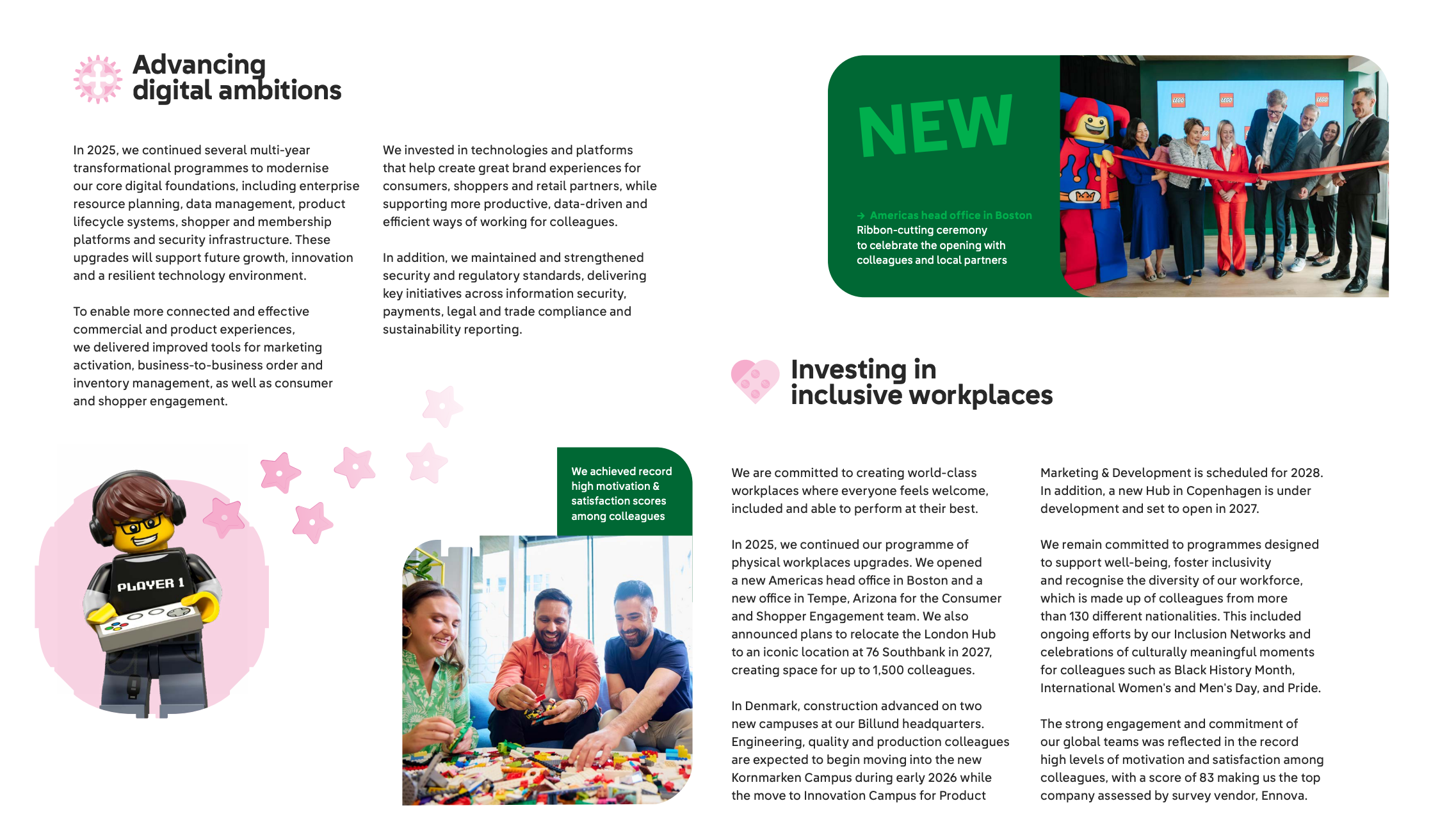
Innovation and brand are tools to enable better play experiences. Global DTC growth aspirations are in place to meet demand and deliver responsiveness. In-store experiences are designed to deepen engagement. Inclusive workplaces are important so that the very best people can do their best work at LEGO.
These aren't nice sounding words with little meaning to back up their use, this is what the system in designed to create.
In contrast to this LEGO document, we can honestly haul out hundreds of annual reports where the board will sign off on a strategy that doesn't mention the customer once. At best 'the customer' is simply seen as a data point on a spreadsheet and the result is usually a brand that's highly dependent on everything going perfectly right for growth to be realised.
In fact, most businesses these days are almost entirely obsessed with their own levels of efficiency and shareholder return. Top line growth isn't even considered as a factor that can feasibly be influenced.
The LEGO Group turned more than R200 billion in 2025 and made R42 billion in net profit. Yet their strategic intent is really to enable play with as many children as possible.
Numbers tend to fall into place when systems are designed to produce a net positive effect in the world. Engineering a business by leading with numbers might look impressive in the short-term, but is never going to create the kind of long-term value that great brands like LEGO can produce.
More:
 Sarah Whitten